
 Image 1 of 5
 Image 2 of 5
 Image 3 of 5
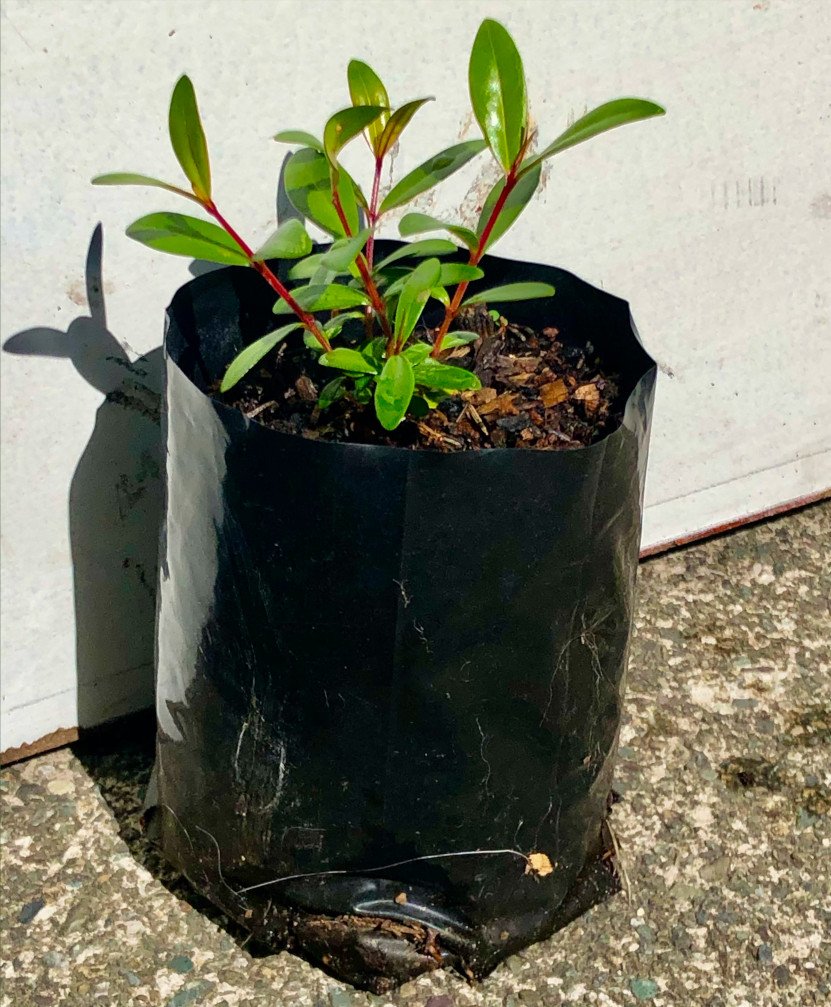 Image 4 of 5
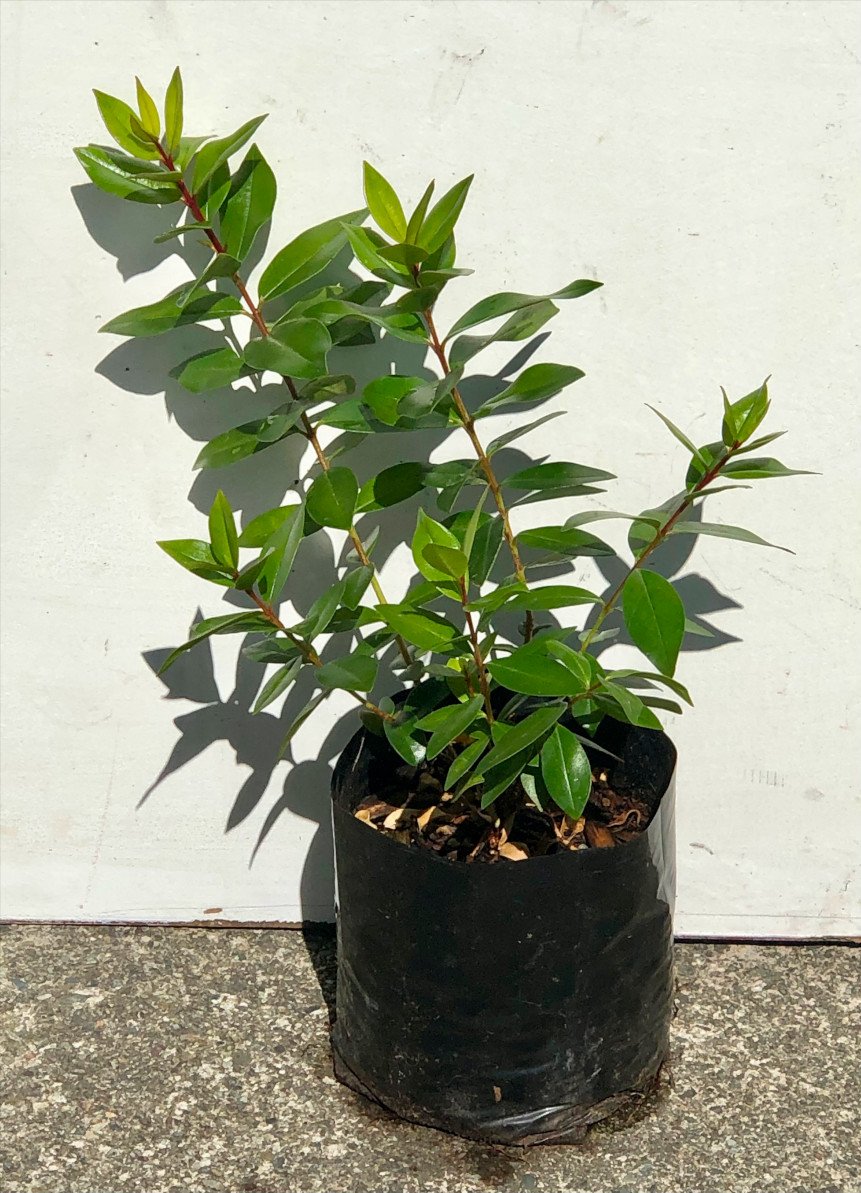 Image 5 of 5
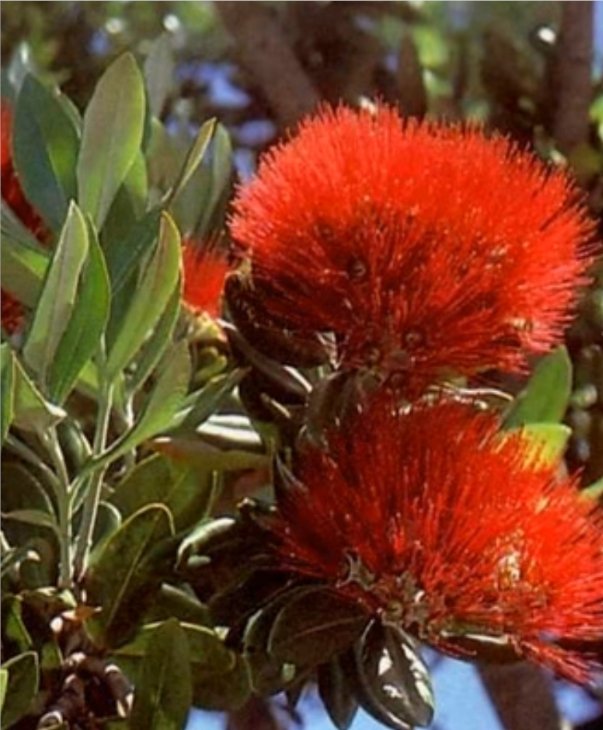
One of New Zealand’s most iconic flowering trees, Pōhutukawa is renowned for its broad spreading form, tough leathery foliage, and spectacular displays of brilliant red flowers around Christmas. Exceptionally well adapted to coastal conditions, it makes an outstanding specimen, shelter tree, and wildlife plant, providing abundant nectar for native birds, bees, and other pollinators.
🌱 Plant Facts
• Growth habit: Large, spreading evergreen tree with a broad crown and often a relatively short, substantial trunk
• Foliage: Thick, leathery, oval leaves, dark green above with a distinctive pale silvery-white underside
• Flowers: Dense clusters of brilliant red, brush-like flowers formed from masses of prominent stamens
• Flowering: Mainly November–December, occasionally from August through to March
• Fruit: Small woody capsules containing numerous fine seeds
• Fruiting: Mainly March–April, occasionally January–May
• Growth rate: Moderate, becoming a substantial long-lived tree with age
• Height: Up to 15 m or more in favourable conditions
🌍 Natural Habitat
• Coastal forest
• Rocky coastlines, cliffs and headlands
• Coastal banks and exposed slopes
• Offshore islands
• Occasionally occurs inland around lake margins
• In northern areas may occur alongside kauri and other warm-temperate forest species
• Can form Pōhutukawa-dominated coastal forest
🌿 Growing Environment
• Full sun
• Salt tolerant
• Wind tolerant
• Coastal tolerant
• Drought tolerant once established
• Free-draining soils
Pōhutukawa is exceptionally well suited to exposed coastal environments, tolerating salt spray, strong winds, dry conditions, and relatively poor soils once established. Best flowering and compact growth generally occur in an open, sunny position.
📍 Endemic Distribution
• Endemic to New Zealand
• Naturally occurs on the Three Kings Islands and northern North Island
• Natural mainland populations extend from North Cape south to approximately northern Taranaki in the west and the MāhiaPeninsula region in the east
• Inland populations also occur around parts of the Rotorua Lakes and Lake Taupō
• Now extensively cultivated well beyond its natural range throughout New Zealand, including Nelson, Marlborough, the Kaikōura Coast and other suitable coastal districts
🌾 Uses
• Native bird food and attractant
• Exceptional nectar source for tūī and other nectar-feeding wildlife
• Bee and pollinator food
• Coastal restoration
• Shelter and screening
• Large feature and specimen tree
• Coastal gardens
• Erosion-prone banks and exposed landscapes
• Shade tree
• Spectacular summer flowering
🪴 Cultivation Notes (Live Plant)
A hardy and highly rewarding native tree that is particularly at home in sunny coastal situations. Pōhutukawa establishes best in free-draining soil and, once established, tolerates considerable wind, salt spray, and summer dryness. Allow generous space for its naturally broad crown and extensive root system to develop. Its brilliant red summer flowers make it one of New Zealand’s finest feature trees while providing an important seasonal nectar source for native wildlife.
As a member of the myrtle family, Pōhutukawa is susceptible to myrtle rust (Austropuccinia psidii), so plants should be monitored for symptoms where the disease is present.
📏 Approximate product size:
• PB3/4 (5–20 cm, 350 ml)
• PB3 (20–70 cm, 1.5 L)
• PB8 (50 cm+, 3.5 L)
• PB18 (1 m+, 8.5 L)
• PB40 (2 m+, 18.5 L)
⏱️ Timeframe:
We ship Monday – Wednesday for South Island customers and Monday/Tuesday for Rural and North Island customers. Orders placed outside these days will be fulfilled the following week.
📦 Local pick ups and/or deliveries will be made by arrangement.
🌱 We’ll donate $1 per plant sold to national conservation efforts, helping to protect and restore New Zealand’s natural heritage.
One of New Zealand’s most iconic flowering trees, Pōhutukawa is renowned for its broad spreading form, tough leathery foliage, and spectacular displays of brilliant red flowers around Christmas. Exceptionally well adapted to coastal conditions, it makes an outstanding specimen, shelter tree, and wildlife plant, providing abundant nectar for native birds, bees, and other pollinators.
🌱 Plant Facts
• Growth habit: Large, spreading evergreen tree with a broad crown and often a relatively short, substantial trunk
• Foliage: Thick, leathery, oval leaves, dark green above with a distinctive pale silvery-white underside
• Flowers: Dense clusters of brilliant red, brush-like flowers formed from masses of prominent stamens
• Flowering: Mainly November–December, occasionally from August through to March
• Fruit: Small woody capsules containing numerous fine seeds
• Fruiting: Mainly March–April, occasionally January–May
• Growth rate: Moderate, becoming a substantial long-lived tree with age
• Height: Up to 15 m or more in favourable conditions
🌍 Natural Habitat
• Coastal forest
• Rocky coastlines, cliffs and headlands
• Coastal banks and exposed slopes
• Offshore islands
• Occasionally occurs inland around lake margins
• In northern areas may occur alongside kauri and other warm-temperate forest species
• Can form Pōhutukawa-dominated coastal forest
🌿 Growing Environment
• Full sun
• Salt tolerant
• Wind tolerant
• Coastal tolerant
• Drought tolerant once established
• Free-draining soils
Pōhutukawa is exceptionally well suited to exposed coastal environments, tolerating salt spray, strong winds, dry conditions, and relatively poor soils once established. Best flowering and compact growth generally occur in an open, sunny position.
📍 Endemic Distribution
• Endemic to New Zealand
• Naturally occurs on the Three Kings Islands and northern North Island
• Natural mainland populations extend from North Cape south to approximately northern Taranaki in the west and the MāhiaPeninsula region in the east
• Inland populations also occur around parts of the Rotorua Lakes and Lake Taupō
• Now extensively cultivated well beyond its natural range throughout New Zealand, including Nelson, Marlborough, the Kaikōura Coast and other suitable coastal districts
🌾 Uses
• Native bird food and attractant
• Exceptional nectar source for tūī and other nectar-feeding wildlife
• Bee and pollinator food
• Coastal restoration
• Shelter and screening
• Large feature and specimen tree
• Coastal gardens
• Erosion-prone banks and exposed landscapes
• Shade tree
• Spectacular summer flowering
🪴 Cultivation Notes (Live Plant)
A hardy and highly rewarding native tree that is particularly at home in sunny coastal situations. Pōhutukawa establishes best in free-draining soil and, once established, tolerates considerable wind, salt spray, and summer dryness. Allow generous space for its naturally broad crown and extensive root system to develop. Its brilliant red summer flowers make it one of New Zealand’s finest feature trees while providing an important seasonal nectar source for native wildlife.
As a member of the myrtle family, Pōhutukawa is susceptible to myrtle rust (Austropuccinia psidii), so plants should be monitored for symptoms where the disease is present.
📏 Approximate product size:
• PB3/4 (5–20 cm, 350 ml)
• PB3 (20–70 cm, 1.5 L)
• PB8 (50 cm+, 3.5 L)
• PB18 (1 m+, 8.5 L)
• PB40 (2 m+, 18.5 L)
⏱️ Timeframe:
We ship Monday – Wednesday for South Island customers and Monday/Tuesday for Rural and North Island customers. Orders placed outside these days will be fulfilled the following week.
📦 Local pick ups and/or deliveries will be made by arrangement.
🌱 We’ll donate $1 per plant sold to national conservation efforts, helping to protect and restore New Zealand’s natural heritage.