 Image 1 of 5
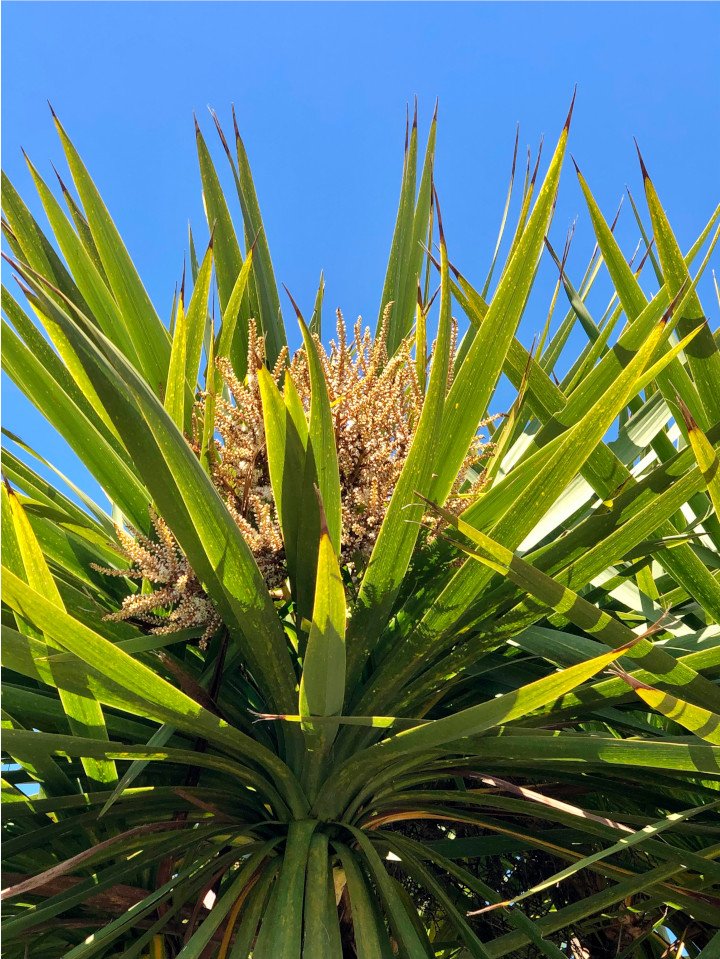 Image 2 of 5
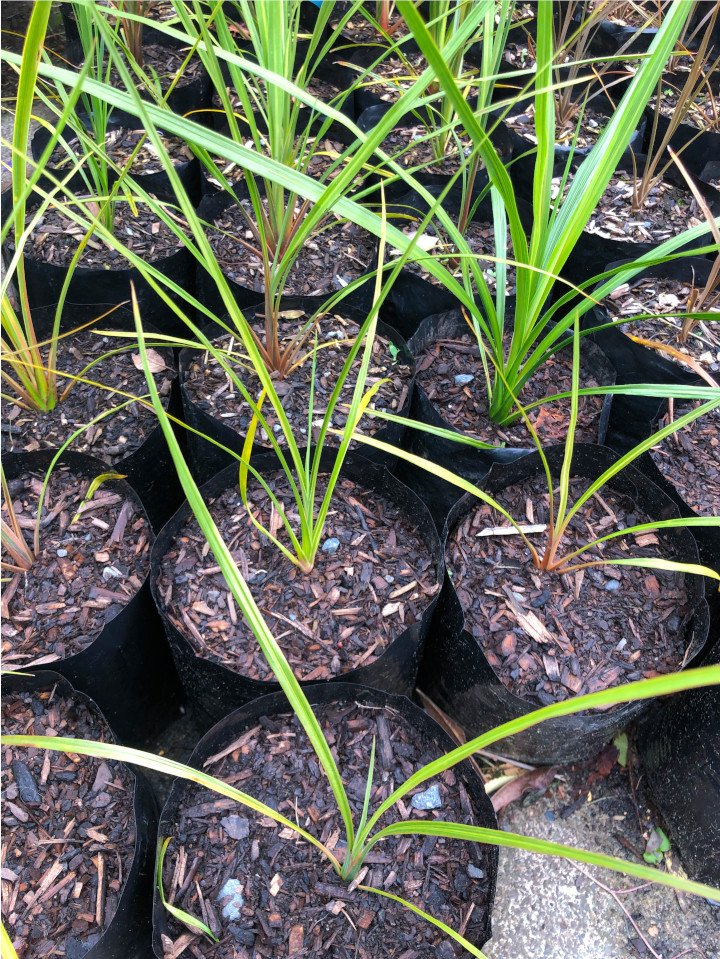 Image 3 of 5
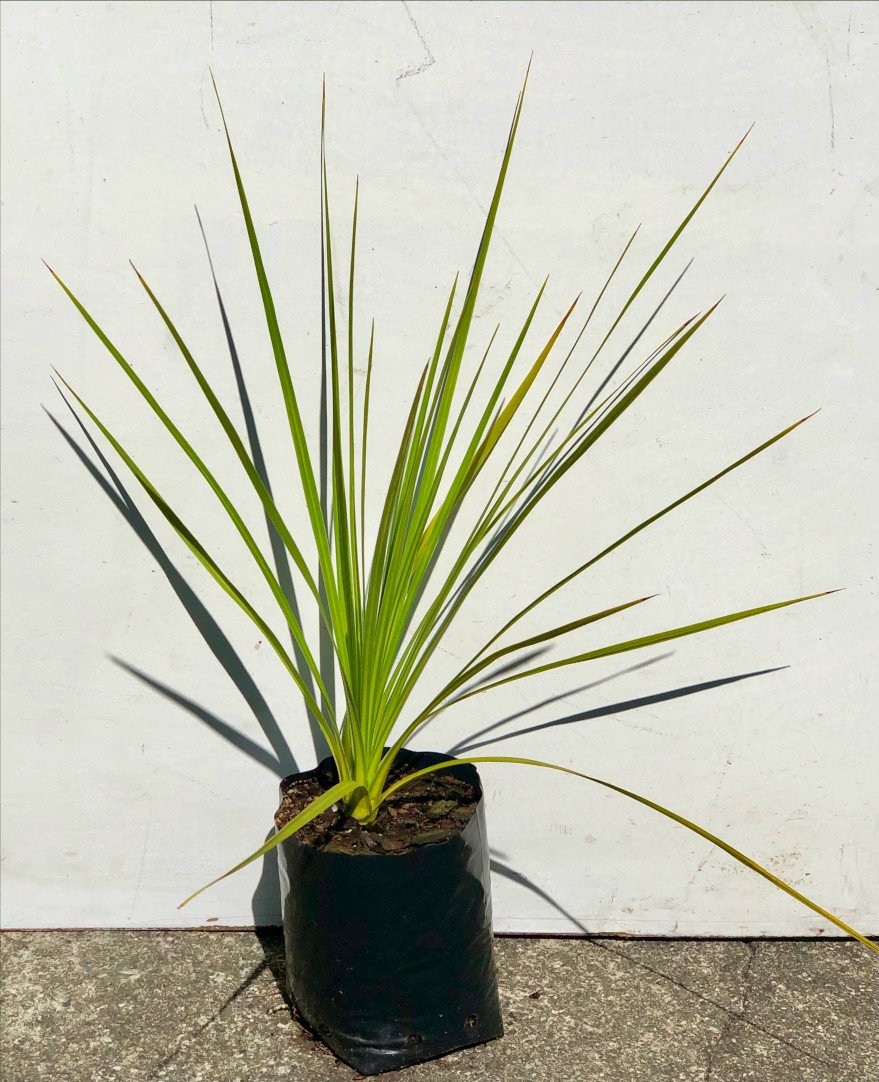 Image 4 of 5
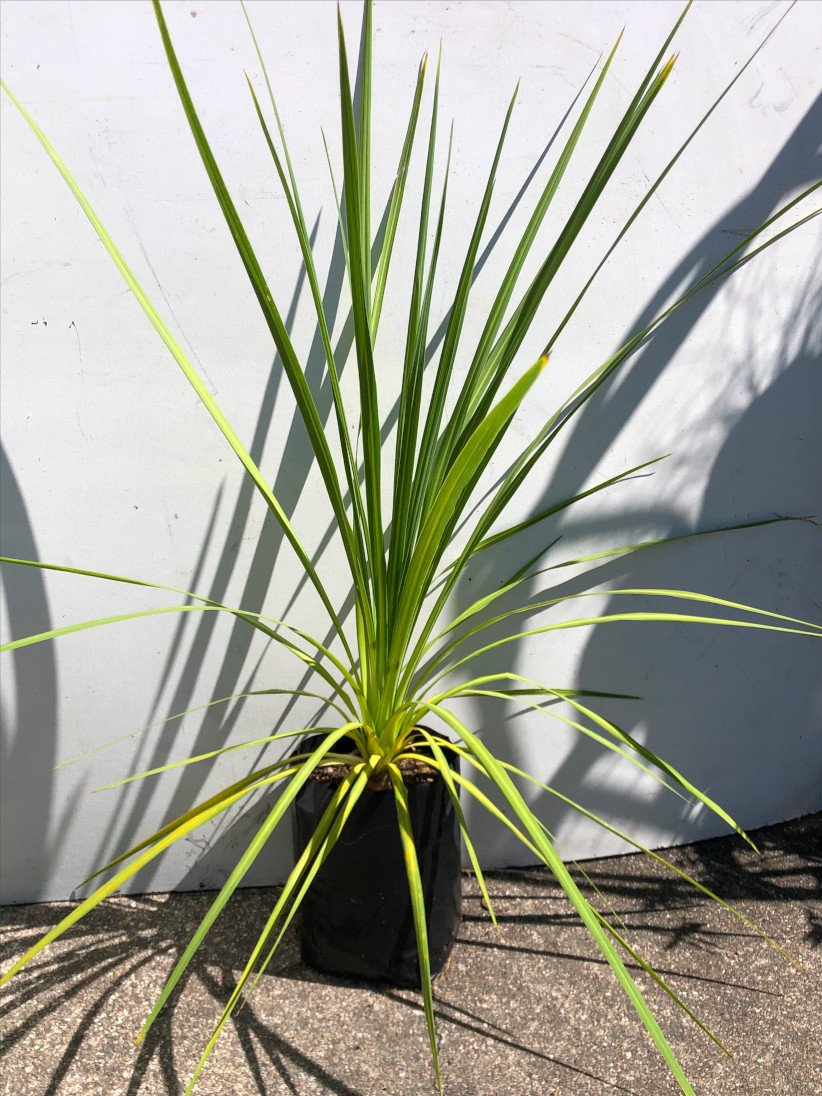 Image 5 of 5
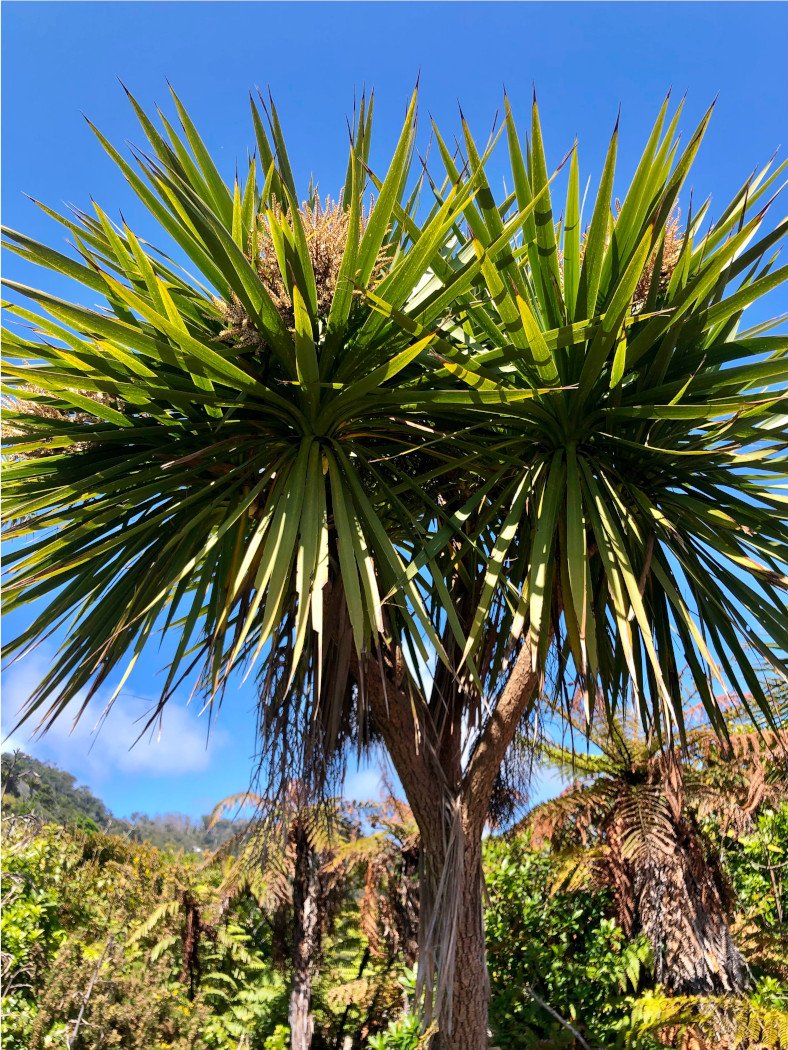
A truly iconic New Zealand native tree, Cabbage Tree (Tī Kōuka) is instantly recognisable by its tall trunk, dramatic crown of sword-like leaves, and spectacular masses of fragrant white flowers. Exceptionally hardy and adaptable, it is one of New Zealand’s most widely planted native trees, equally suited to restoration projects, shelter planting, wetlands, and home gardens.
🌱 Plant Facts
• Growth habit: Tall evergreen tree with a single trunk that branches with age
• Foliage: Long, tough, sword-shaped green leaves
• Leaves: 30–100 cm long
• Bark: Grey and rough with old leaves often forming a skirt beneath the crown
• Flowers: Large, fragrant sprays of creamy white flowers
• Fruit: Small white berries
• Height: Up to 20 m
🌍 Natural Habitat
• Coastal to montane environments
• Riparian forest and river terraces
• Wetlands and swamp margins
• Open forest and regenerating bush
• Most commonly found from sea level to around 600 m
🌿 Growing Environment
• Full sun to partial shade
• Frost tolerant
• Drought tolerant once established
• Wetland tolerant
• Wind tolerant
• Coastal tolerant
• Salt tolerant
Adaptable to an exceptionally wide range of growing conditions. Performs best in moist, fertile soils but will tolerate everything from wetlands to exposed coastal sites, provided prolonged drought is avoided.
📍 Endemic Distribution
• Endemic to New Zealand
• Naturally widespread throughout the North, South and Stewart Islands
• Probably naturalised on the Chatham Islands
🌾 Uses
• Native bird food and attractant
• Bee food
• Riparian plantings
• Native forest restoration
• Pioneer plantings
• Shelterbelts
• Wetland restoration
• Feature tree for gardens and landscapes
🪴 Cultivation Notes (Live Plant)
One of New Zealand’s easiest native trees to grow and an excellent choice for both beginners and experienced gardeners. It establishes readily from planted specimens and tolerates a remarkable range of soils and environmental conditions. Excellent for pots when young and ideal for creating instant structure in native or contemporary landscapes. Once established it requires very little maintenance and provides outstanding habitat for native wildlife.
📏 Approximate product size:
• PB3/4 (5–20 cm, 350 ml)
• PB3 (20–70 cm, 1.5 L)
• PB8 (50 cm+, 3.5 L)
• PB18 (1 m+, 8.5 L)
• PB40 (2 m+, 18.5 L)
⏱️ Timeframe:
We ship Monday – Wednesday for South Island customers and Monday/Tuesday for Rural and North Island customers. Orders placed outside these days will be fulfilled the following week.
📦 Local pick ups and/or deliveries will be made by arrangement.
🌱 We’ll donate $1 per plant sold to national conservation efforts, helping to protect and restore New Zealand’s natural heritage.
A truly iconic New Zealand native tree, Cabbage Tree (Tī Kōuka) is instantly recognisable by its tall trunk, dramatic crown of sword-like leaves, and spectacular masses of fragrant white flowers. Exceptionally hardy and adaptable, it is one of New Zealand’s most widely planted native trees, equally suited to restoration projects, shelter planting, wetlands, and home gardens.
🌱 Plant Facts
• Growth habit: Tall evergreen tree with a single trunk that branches with age
• Foliage: Long, tough, sword-shaped green leaves
• Leaves: 30–100 cm long
• Bark: Grey and rough with old leaves often forming a skirt beneath the crown
• Flowers: Large, fragrant sprays of creamy white flowers
• Fruit: Small white berries
• Height: Up to 20 m
🌍 Natural Habitat
• Coastal to montane environments
• Riparian forest and river terraces
• Wetlands and swamp margins
• Open forest and regenerating bush
• Most commonly found from sea level to around 600 m
🌿 Growing Environment
• Full sun to partial shade
• Frost tolerant
• Drought tolerant once established
• Wetland tolerant
• Wind tolerant
• Coastal tolerant
• Salt tolerant
Adaptable to an exceptionally wide range of growing conditions. Performs best in moist, fertile soils but will tolerate everything from wetlands to exposed coastal sites, provided prolonged drought is avoided.
📍 Endemic Distribution
• Endemic to New Zealand
• Naturally widespread throughout the North, South and Stewart Islands
• Probably naturalised on the Chatham Islands
🌾 Uses
• Native bird food and attractant
• Bee food
• Riparian plantings
• Native forest restoration
• Pioneer plantings
• Shelterbelts
• Wetland restoration
• Feature tree for gardens and landscapes
🪴 Cultivation Notes (Live Plant)
One of New Zealand’s easiest native trees to grow and an excellent choice for both beginners and experienced gardeners. It establishes readily from planted specimens and tolerates a remarkable range of soils and environmental conditions. Excellent for pots when young and ideal for creating instant structure in native or contemporary landscapes. Once established it requires very little maintenance and provides outstanding habitat for native wildlife.
📏 Approximate product size:
• PB3/4 (5–20 cm, 350 ml)
• PB3 (20–70 cm, 1.5 L)
• PB8 (50 cm+, 3.5 L)
• PB18 (1 m+, 8.5 L)
• PB40 (2 m+, 18.5 L)
⏱️ Timeframe:
We ship Monday – Wednesday for South Island customers and Monday/Tuesday for Rural and North Island customers. Orders placed outside these days will be fulfilled the following week.
📦 Local pick ups and/or deliveries will be made by arrangement.
🌱 We’ll donate $1 per plant sold to national conservation efforts, helping to protect and restore New Zealand’s natural heritage.