One of New Zealand’s most celebrated flowering trees, Small-leaved Kōwhai is renowned for its spectacular displays of golden-yellow flowers and the native birds they attract. Developing from a distinctive tangled juvenile form into a graceful spreading tree, it is an outstanding choice for larger gardens, riparian plantings, restoration projects, and properties where both wildlife and seasonal colour are priorities.
🌱 Plant Facts
• Growth habit: Medium to large tree, developing one or more trunks
• Juvenile form: Young plants often have distinctive tangled, zig-zagging branches
• Foliage: Fine compound leaves with numerous small green leaflets
• Flowers: Large, pendulous golden-yellow flowers produced in clusters
• Flowering: Mainly August–October, occasionally beginning as early as May
• Fruit: Dry, brown, ridged and constricted pea-like seed pods containing hard yellow seeds
• Fruiting: October–May
• Height: Up to 20 m
🌍 Natural Habitat
• Coastal and lowland environments
• Riparian forest
• River terraces and floodplains
• Lake margins
• Mixed podocarp-hardwood forest
• Coastal cliffs and associated wetlands
• Inland shrubland and dry scrub communities
🌿 Growing Environment
• Full sun to partial shade
• Frost tolerant
• Drought tolerant once established
• Coastal tolerant
• Salt tolerant
• Free-draining soils
Kōwhai is remarkably adaptable once established and performs particularly well in sunny, free-draining sites. It is equally valuable as a garden specimen or as part of larger-scale riparian and ecological restoration planting.
📍 Endemic Distribution
• Endemic to New Zealand
• Widespread throughout the main islands of New Zealand
• Scarce or locally absent from some areas, including parts of Northland and the eastern North Island
🌾 Uses
• Native bird food and attractant
• Excellent nectar source for tūī, bellbirds/korimako and other nectar-feeding wildlife
• Bee and pollinator food
• Riparian plantings
• Native forest restoration
• Feature and specimen tree
• Large gardens and parks
• Spectacular spring flowering
🪴 Cultivation Notes (Live Plant)
A hardy and rewarding native tree that develops into an outstanding specimen with age. Young plants establish best in a sunny or lightly shaded position with good drainage and benefit from regular moisture during their first few seasons. Once established, Small-leaved Kōwhai is tolerant of frost, coastal exposure, and periods of dry weather. Allow plenty of room for mature development, particularly when planting as a long-term feature tree.
📏 Approximate product size:
• PB3/4 (5–20 cm, 350 ml)
• PB3 (20–70 cm, 1.5 L)
• PB8 (50 cm+, 3.5 L)
• PB18 (1 m+, 8.5 L)
• PB40 (2 m+, 18.5 L)
⏱️ Timeframe:
We ship Monday – Wednesday for South Island customers and Monday/Tuesday for Rural and North Island customers. Orders placed outside these days will be fulfilled the following week.
📦 Local pick ups and/or deliveries will be made by arrangement.
🌱 We’ll donate $1 per plant sold to national conservation efforts, helping to protect and restore New Zealand’s natural heritage.
One of New Zealand’s most celebrated flowering trees, Small-leaved Kōwhai is renowned for its spectacular displays of golden-yellow flowers and the native birds they attract. Developing from a distinctive tangled juvenile form into a graceful spreading tree, it is an outstanding choice for larger gardens, riparian plantings, restoration projects, and properties where both wildlife and seasonal colour are priorities.
🌱 Plant Facts
• Growth habit: Medium to large tree, developing one or more trunks
• Juvenile form: Young plants often have distinctive tangled, zig-zagging branches
• Foliage: Fine compound leaves with numerous small green leaflets
• Flowers: Large, pendulous golden-yellow flowers produced in clusters
• Flowering: Mainly August–October, occasionally beginning as early as May
• Fruit: Dry, brown, ridged and constricted pea-like seed pods containing hard yellow seeds
• Fruiting: October–May
• Height: Up to 20 m
🌍 Natural Habitat
• Coastal and lowland environments
• Riparian forest
• River terraces and floodplains
• Lake margins
• Mixed podocarp-hardwood forest
• Coastal cliffs and associated wetlands
• Inland shrubland and dry scrub communities
🌿 Growing Environment
• Full sun to partial shade
• Frost tolerant
• Drought tolerant once established
• Coastal tolerant
• Salt tolerant
• Free-draining soils
Kōwhai is remarkably adaptable once established and performs particularly well in sunny, free-draining sites. It is equally valuable as a garden specimen or as part of larger-scale riparian and ecological restoration planting.
📍 Endemic Distribution
• Endemic to New Zealand
• Widespread throughout the main islands of New Zealand
• Scarce or locally absent from some areas, including parts of Northland and the eastern North Island
🌾 Uses
• Native bird food and attractant
• Excellent nectar source for tūī, bellbirds/korimako and other nectar-feeding wildlife
• Bee and pollinator food
• Riparian plantings
• Native forest restoration
• Feature and specimen tree
• Large gardens and parks
• Spectacular spring flowering
🪴 Cultivation Notes (Live Plant)
A hardy and rewarding native tree that develops into an outstanding specimen with age. Young plants establish best in a sunny or lightly shaded position with good drainage and benefit from regular moisture during their first few seasons. Once established, Small-leaved Kōwhai is tolerant of frost, coastal exposure, and periods of dry weather. Allow plenty of room for mature development, particularly when planting as a long-term feature tree.
📏 Approximate product size:
• PB3/4 (5–20 cm, 350 ml)
• PB3 (20–70 cm, 1.5 L)
• PB8 (50 cm+, 3.5 L)
• PB18 (1 m+, 8.5 L)
• PB40 (2 m+, 18.5 L)
⏱️ Timeframe:
We ship Monday – Wednesday for South Island customers and Monday/Tuesday for Rural and North Island customers. Orders placed outside these days will be fulfilled the following week.
📦 Local pick ups and/or deliveries will be made by arrangement.
🌱 We’ll donate $1 per plant sold to national conservation efforts, helping to protect and restore New Zealand’s natural heritage.

 Image 1 of 6
 Image 2 of 6
 Image 3 of 6
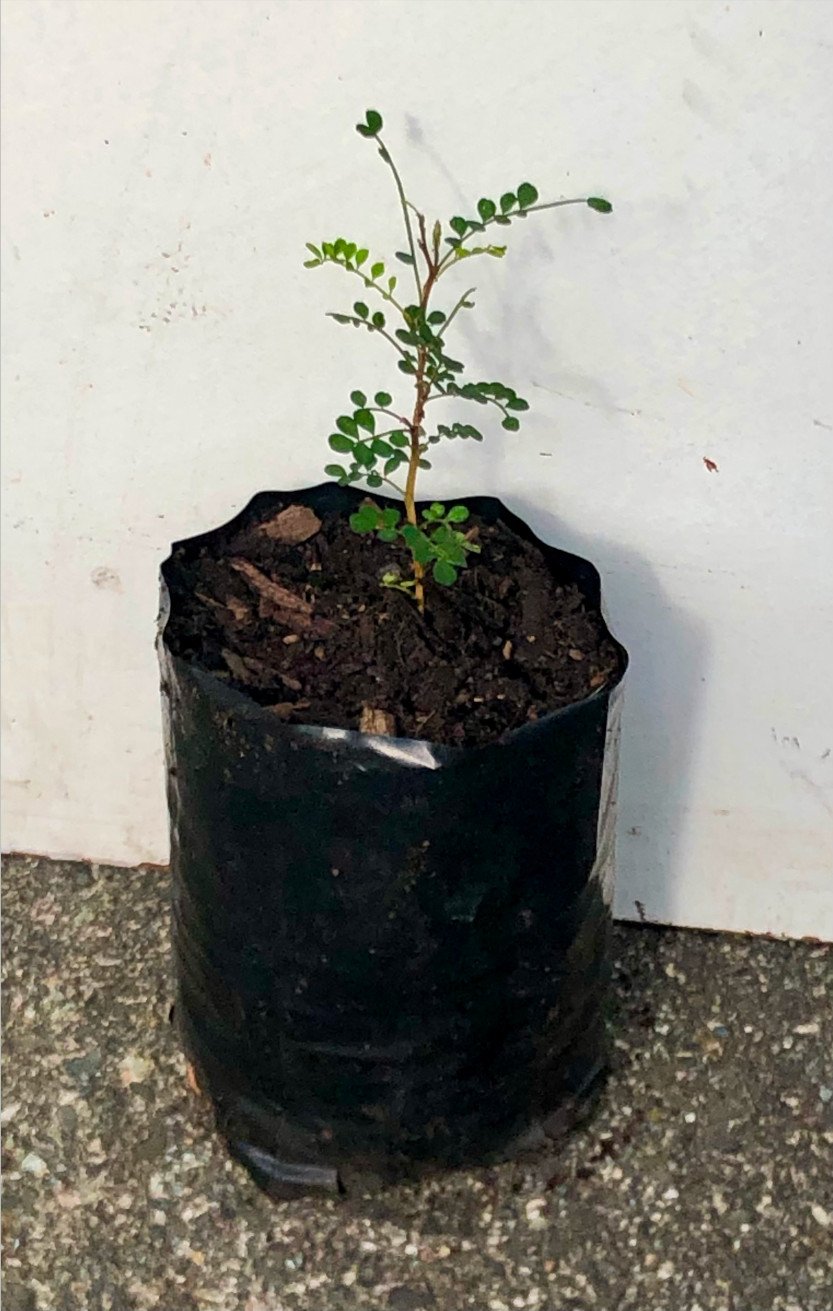 Image 4 of 6
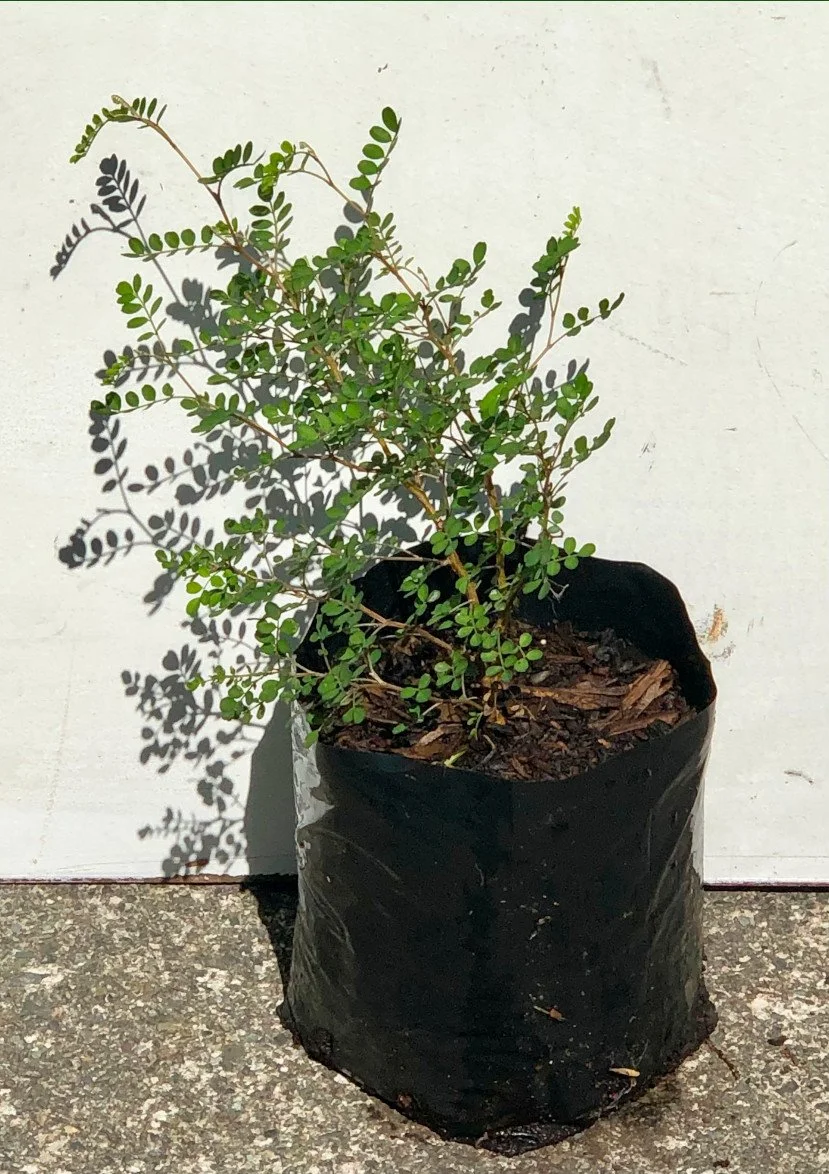 Image 5 of 6
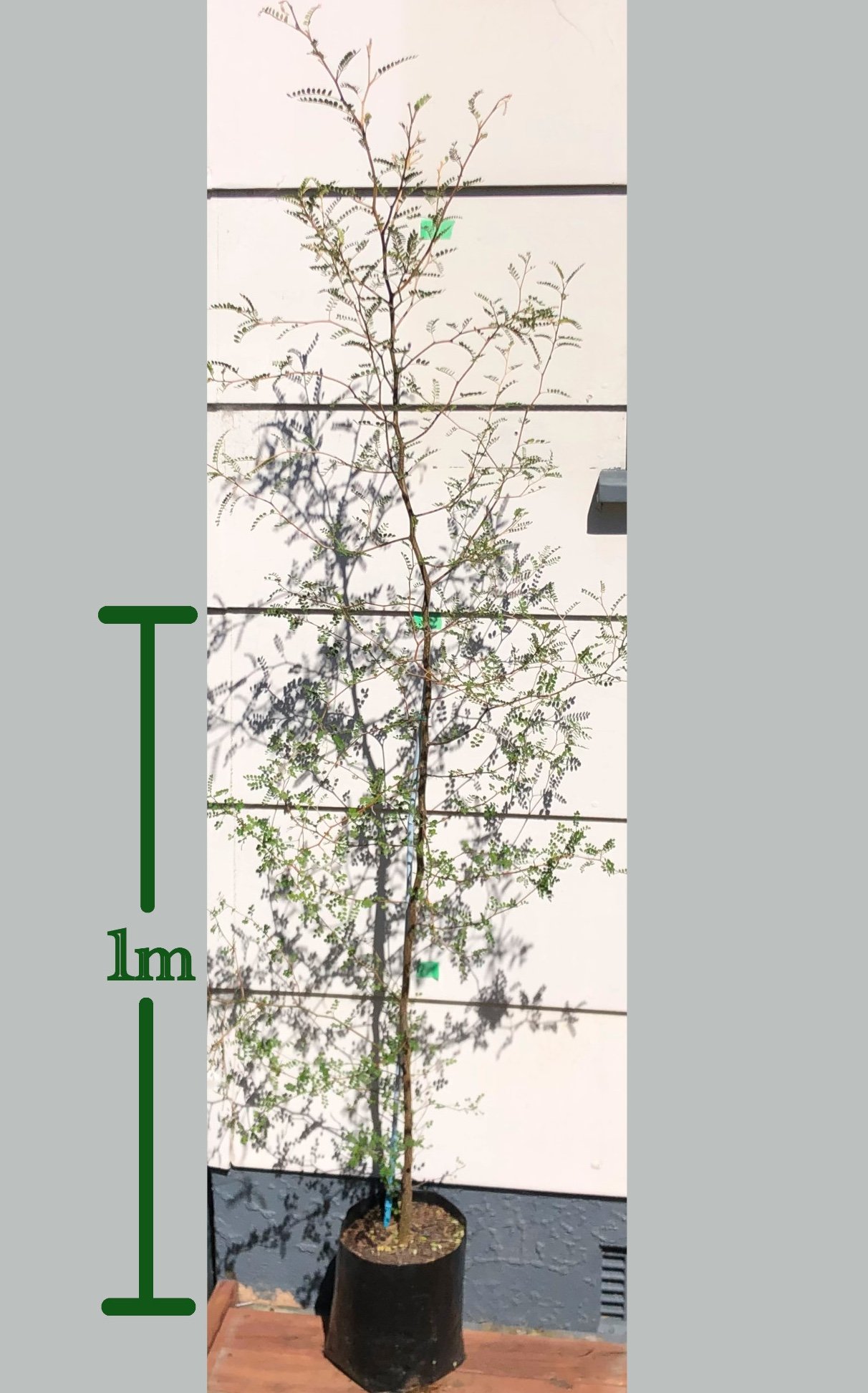 Image 6 of 6