
 Image 1 of 3
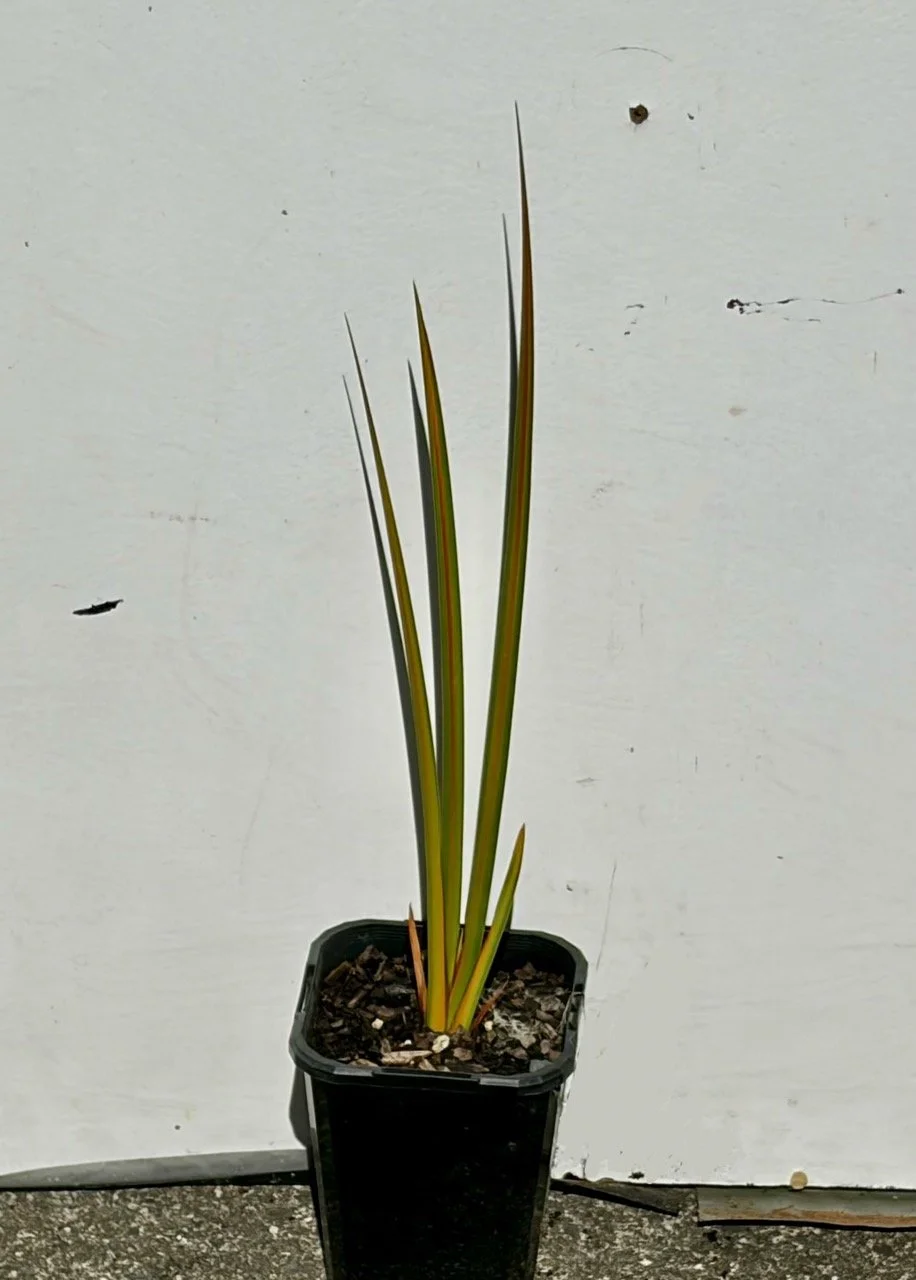 Image 2 of 3
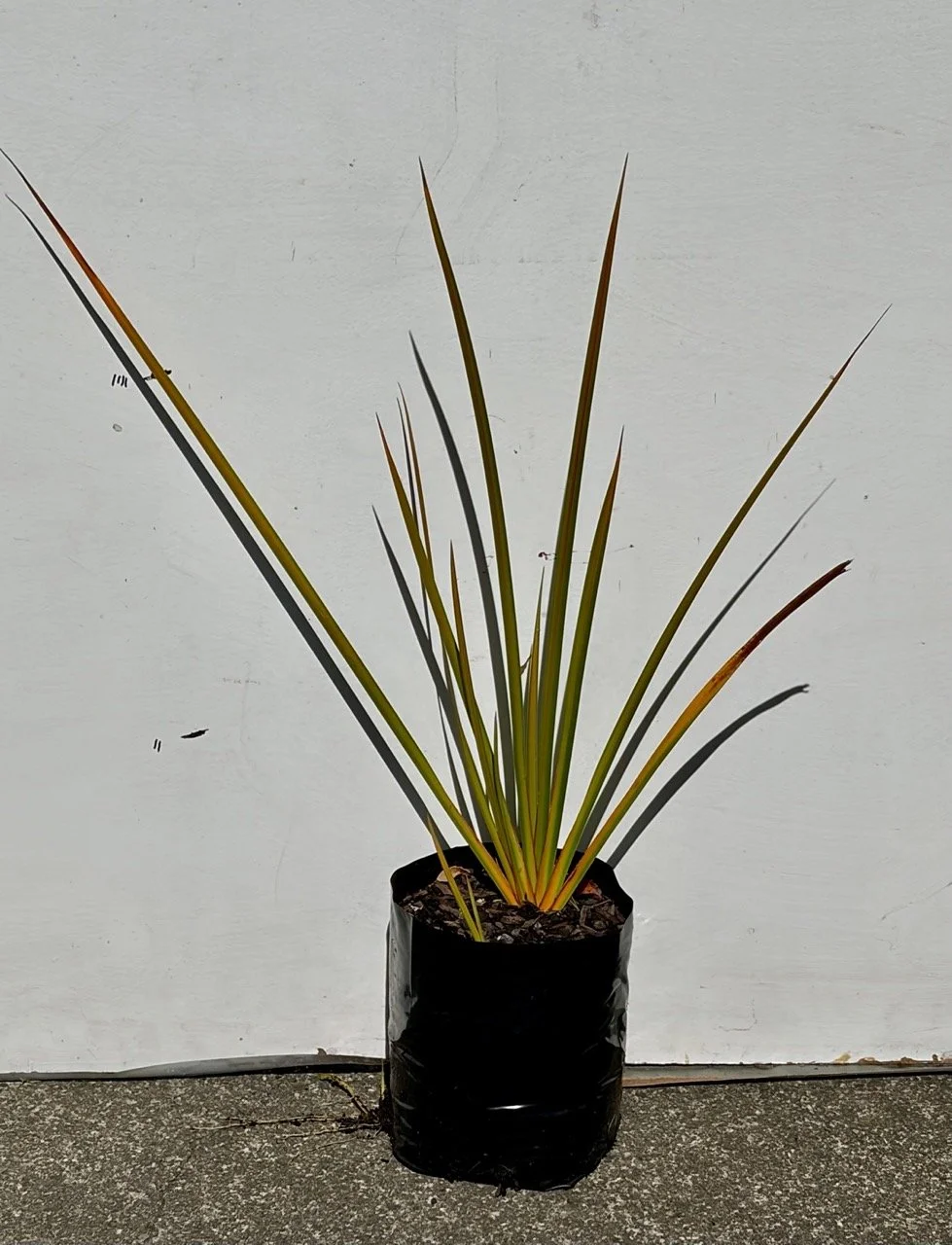 Image 3 of 3
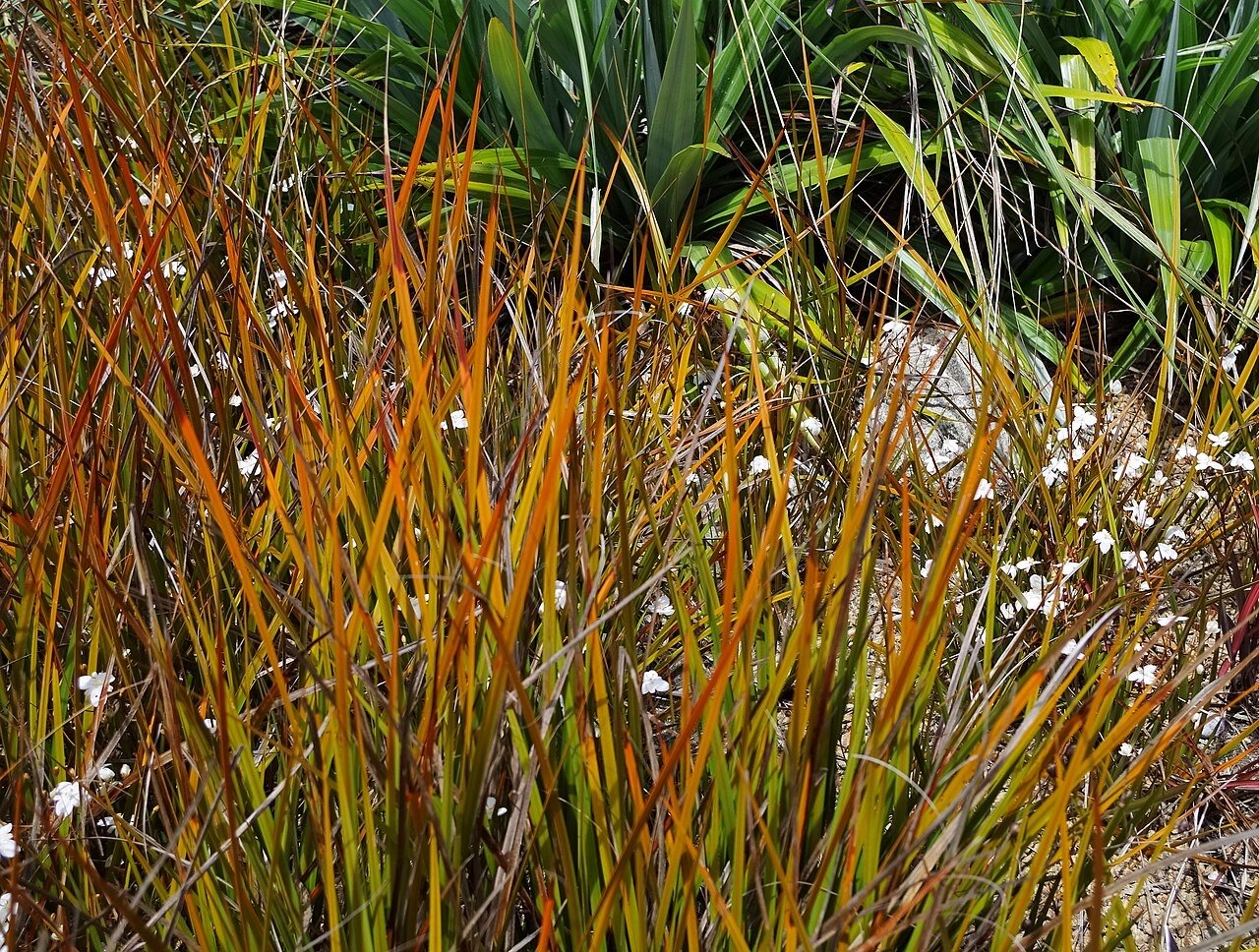
A striking and widely cultivated New Zealand native, Libertiaperegrinans is known for its vibrant orange foliage and delicate white flowers. This hardy, spreading plant adds year-round colour and texture, making it a standout choice for landscaping and container planting.
🌱 Plant Facts
• Growth habit: Vigorous, spreading, grass-like perennial
• Foliage: Bright orange leaves, intensifying in harsh or exposed conditions
• Seasonal interest: Foliage colour becomes more vivid in winter
• Flowers: Small, delicate white flowers
• Height: Up to 40 cm
• Flowering: October – January
• Fruiting: January – February
🌍 Natural Habitat
• Primarily a coastal to lowland species
• Found in sandy, peaty, or pumice soils
• Occurs in dune slacks, swales, swamp margins, and open poorly drained ground under scrub
• Also present on the Chatham Islands in bog systems
• Occasional upland forms found in beech forest leaf litter
🌿 Growing Environment
• Frost tolerant
• Sun tolerant (best colour in full sun)
• Drought tolerant once established
• Wind tolerant
Highly adaptable and performs well in exposed, low-maintenance sites.
📍 Endemic Distribution
• North Island: From Piha (historic) south to Wellington
• Throughout the South, Stewart, and Chatham Islands
🌾 Uses
• Bee food
• Flowers for ornamental display
• Container planting
• Mass planting, borders, and colour contrast in landscapes
🪴 Cultivation Notes (Live Plant)
A very easy and reliable plant that establishes quickly, especially when divided from established clumps. Best grown in full sun for maximum foliage colour, though it tolerates a wide range of conditions. Its spreading habit makes it ideal for ground cover and large-scale plantings, while also performing well in containers.
A striking and widely cultivated New Zealand native, Libertiaperegrinans is known for its vibrant orange foliage and delicate white flowers. This hardy, spreading plant adds year-round colour and texture, making it a standout choice for landscaping and container planting.
🌱 Plant Facts
• Growth habit: Vigorous, spreading, grass-like perennial
• Foliage: Bright orange leaves, intensifying in harsh or exposed conditions
• Seasonal interest: Foliage colour becomes more vivid in winter
• Flowers: Small, delicate white flowers
• Height: Up to 40 cm
• Flowering: October – January
• Fruiting: January – February
🌍 Natural Habitat
• Primarily a coastal to lowland species
• Found in sandy, peaty, or pumice soils
• Occurs in dune slacks, swales, swamp margins, and open poorly drained ground under scrub
• Also present on the Chatham Islands in bog systems
• Occasional upland forms found in beech forest leaf litter
🌿 Growing Environment
• Frost tolerant
• Sun tolerant (best colour in full sun)
• Drought tolerant once established
• Wind tolerant
Highly adaptable and performs well in exposed, low-maintenance sites.
📍 Endemic Distribution
• North Island: From Piha (historic) south to Wellington
• Throughout the South, Stewart, and Chatham Islands
🌾 Uses
• Bee food
• Flowers for ornamental display
• Container planting
• Mass planting, borders, and colour contrast in landscapes
🪴 Cultivation Notes (Live Plant)
A very easy and reliable plant that establishes quickly, especially when divided from established clumps. Best grown in full sun for maximum foliage colour, though it tolerates a wide range of conditions. Its spreading habit makes it ideal for ground cover and large-scale plantings, while also performing well in containers.