
 Image 1 of 4
 Image 2 of 4
 Image 3 of 4
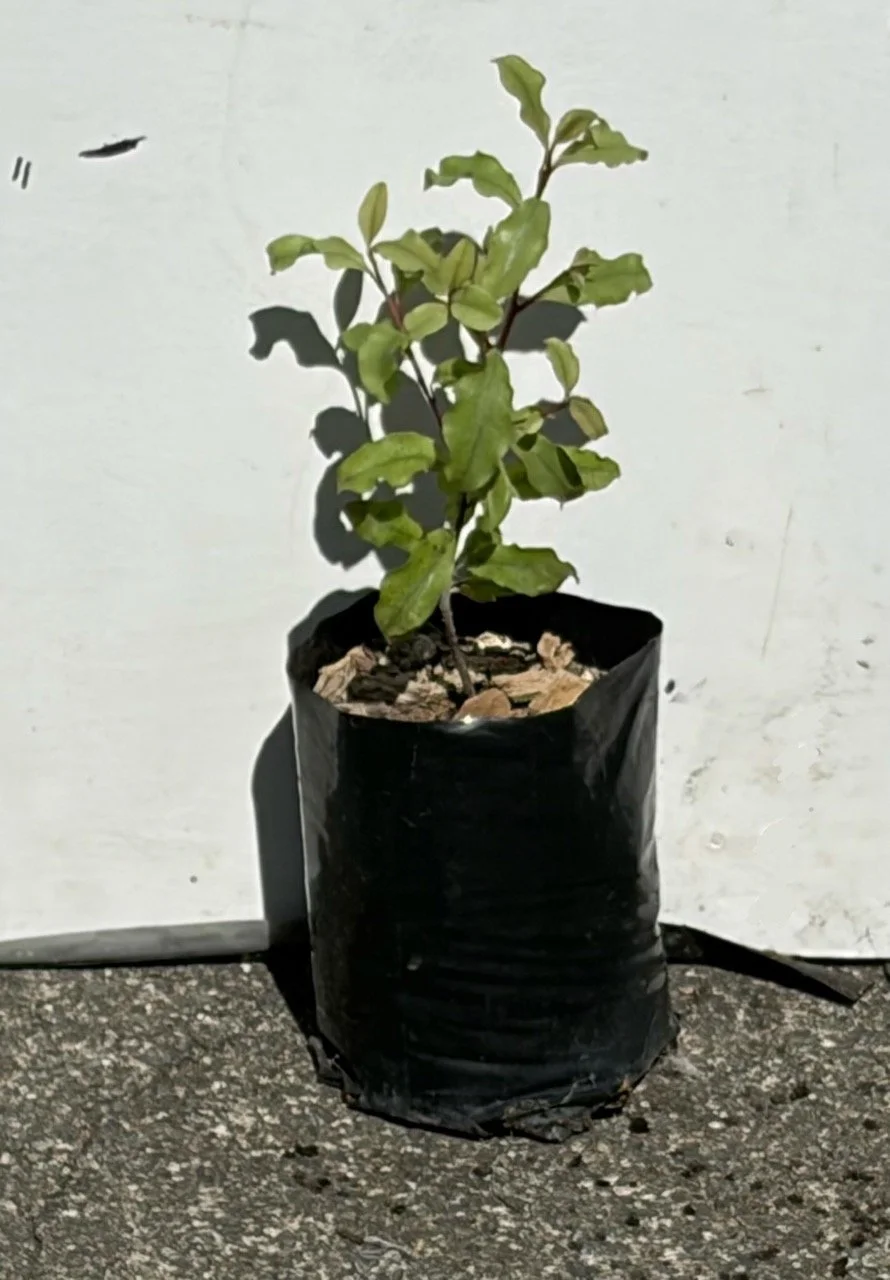 Image 4 of 4
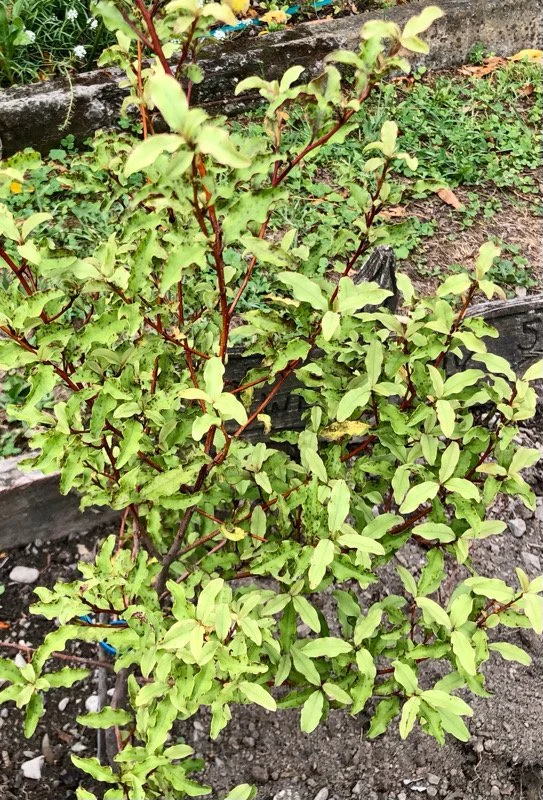
A distinctive and reliable New Zealand native tree, mapou is recognised for its bright red branches, glossy foliage, and importance in forest regeneration. It is widely used in revegetation and restoration projects due to its adaptability and strong ecological value.
🌱 Plant Facts
Growth habit: Small tree
Branches: Striking bright red stems, especially noticeable on new growth
Foliage: Smooth, leathery green leaves with wavy edges
Bark: Grey on mature trunks
Flowers: Small, cream to white, forming in clusters
Fruit: Tiny, dark purple to almost black berries, attractive to birds
Height: Up to 6 m
Flowering: August – January
Fruiting: September – May
🌍 Natural Habitat
Common in coastal to montane forest
Found in both regenerating and mature forest systems
Frequently present on northern offshore islands
🌿 Growing Environment
Frost tolerant
Coastal tolerant
Free-draining soil preferred
A hardy and adaptable species suited to a wide range of planting conditions.
📍 Endemic Distribution
Native to New Zealand
Occurs on the Three Kings, North, South, and Stewart Islands
🌾 Uses
Bird food and attractant
Bee food
Riparian planting
Pioneer and revegetation planting
Forest restoration
🪴 Cultivation Notes (Live Plant)
An easy and dependable tree that establishes readily from planting. Ideal for restoration and shelter plantings, where it helps build structure and supports wildlife. Prefers free-draining soils and performs well in both exposed and sheltered conditions. A great choice for creating diversity in native planting schemes.
📏 Approximate product size:
• PB3/4 (5cm – 20cm, 350ml)
• PB3 (20cm – 70cm, 1.5L)
• PB8 (50cm+, 3.5L)
⏱️ Timeframe:
We ship Monday – Wednesday for South Island customers and Monday/Tuesday for Rural and North Island customers. Orders placed outside these days will be fulfilled the following week.
📦 Local pick ups and/or deliveries will be made by arrangement.
“We’ll donate $1 per plant sold to national conservation efforts, helping to protect and restore New Zealand’s natural heritage”
A distinctive and reliable New Zealand native tree, mapou is recognised for its bright red branches, glossy foliage, and importance in forest regeneration. It is widely used in revegetation and restoration projects due to its adaptability and strong ecological value.
🌱 Plant Facts
Growth habit: Small tree
Branches: Striking bright red stems, especially noticeable on new growth
Foliage: Smooth, leathery green leaves with wavy edges
Bark: Grey on mature trunks
Flowers: Small, cream to white, forming in clusters
Fruit: Tiny, dark purple to almost black berries, attractive to birds
Height: Up to 6 m
Flowering: August – January
Fruiting: September – May
🌍 Natural Habitat
Common in coastal to montane forest
Found in both regenerating and mature forest systems
Frequently present on northern offshore islands
🌿 Growing Environment
Frost tolerant
Coastal tolerant
Free-draining soil preferred
A hardy and adaptable species suited to a wide range of planting conditions.
📍 Endemic Distribution
Native to New Zealand
Occurs on the Three Kings, North, South, and Stewart Islands
🌾 Uses
Bird food and attractant
Bee food
Riparian planting
Pioneer and revegetation planting
Forest restoration
🪴 Cultivation Notes (Live Plant)
An easy and dependable tree that establishes readily from planting. Ideal for restoration and shelter plantings, where it helps build structure and supports wildlife. Prefers free-draining soils and performs well in both exposed and sheltered conditions. A great choice for creating diversity in native planting schemes.
📏 Approximate product size:
• PB3/4 (5cm – 20cm, 350ml)
• PB3 (20cm – 70cm, 1.5L)
• PB8 (50cm+, 3.5L)
⏱️ Timeframe:
We ship Monday – Wednesday for South Island customers and Monday/Tuesday for Rural and North Island customers. Orders placed outside these days will be fulfilled the following week.
📦 Local pick ups and/or deliveries will be made by arrangement.
“We’ll donate $1 per plant sold to national conservation efforts, helping to protect and restore New Zealand’s natural heritage”