Umbrella Moss
Botanical name: Dendrohypopterygium filiculiforme
Synonyms: Hypopterygium filiculiforme
Common name(s): Umbrella Moss
About:
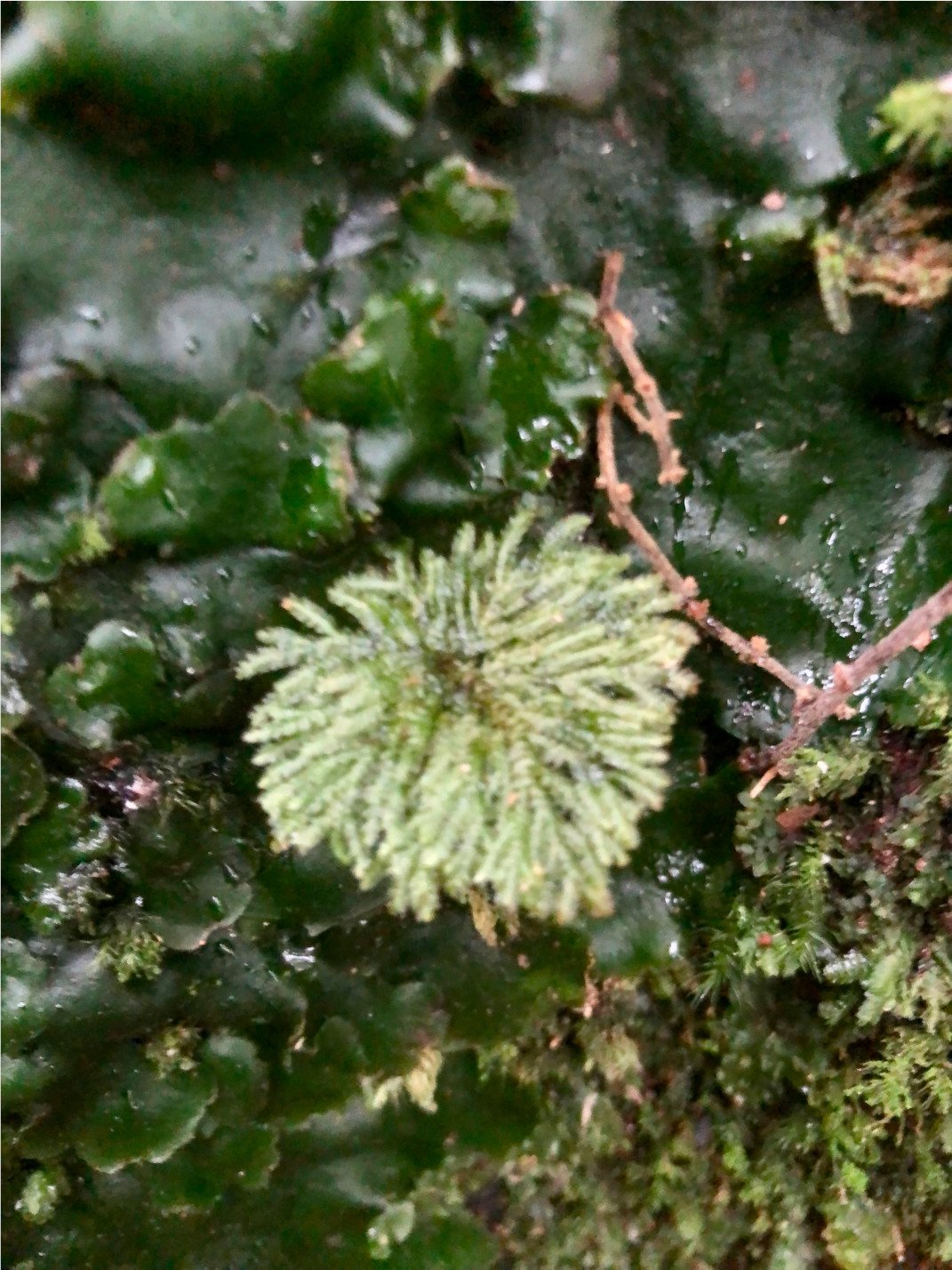
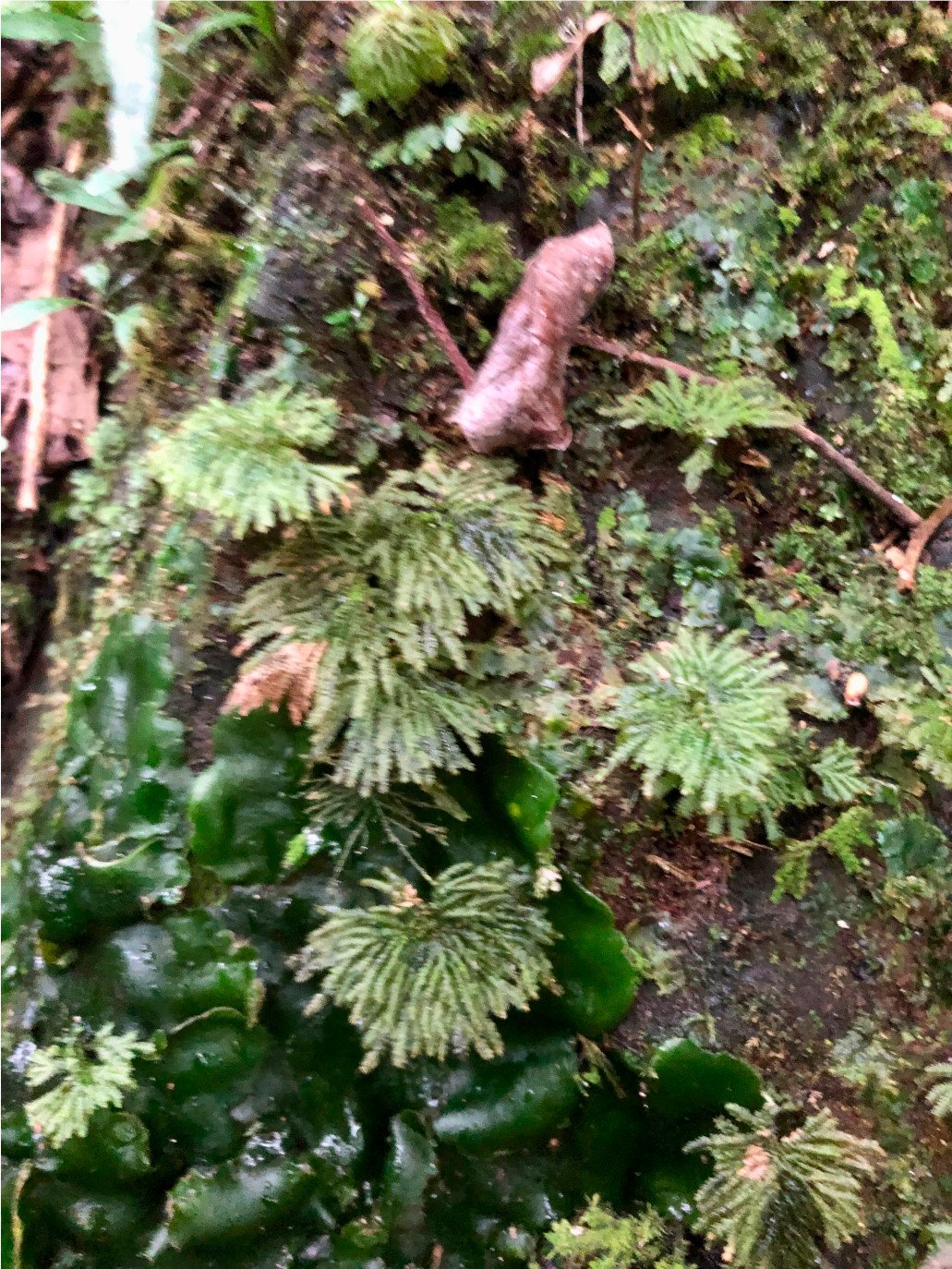
Umbrella Moss is one of New Zealand’s most distinctive native mosses, forming lush carpets of delicate, fern-like foliage in damp forests. Its erect stems support flat, umbrella-shaped fronds that give the plant its common name. The overlapping leaves create a soft, feathery appearance, making it an attractive feature of shaded forest floors and stream margins.
Natural habitat:
Moist native forest, shaded stream banks, damp gullies, rocky banks, rotting logs and humid forest floors.
Growing environment:
Thrives in cool, permanently moist environments with high humidity and deep shade. It prefers sheltered sites where it remains protected from drying winds and prolonged direct sunlight.
Endemic distribution:
Endemic to New Zealand. Widespread throughout the country in suitable damp forest habitats.
Height:
3–10 cm
Width:
Forms spreading carpets over many square metres where conditions are favourable.
Flowering:
N/A – mosses do not flower.
Fruiting:
Produces spores within capsules when fertile.
Uses:
• Native moss gardens
• Terrariums
• Moist woodland ground cover
• Streamside restoration
• Naturalistic landscaping
• Educational and botanical collections
Appearance:
Growth habit:
An evergreen moss forming dense, soft carpets of upright stems with broad, flattened, umbrella-like branching.
Stems:
Primary stems are erect and robust, supporting widely spreading secondary branches that create the characteristic umbrella-shaped fronds.
Leaves:
Leaves are soft, bright to deep green and arranged in three distinct rows. Each branch carries two rows of larger lateral leaves with a third row of much smaller leaves beneath, creating an elegant flattened appearance.
Flowers:
No flowers are produced.
Fruit:
No fruit is produced. Reproduction occurs through spores produced in capsules on slender stalks.
Ecology:
Umbrella Moss helps retain moisture within forest ecosystems, stabilises soil and decaying wood, and provides habitat for tiny invertebrates and microorganisms. It contributes to the humid microclimate essential for many native forest species.
Associated habitats:
Temperate rainforest, podocarp forest, beech forest, stream margins, damp gullies, waterfalls, shaded banks, rotting logs and moss-covered rocks.
How to grow:
Grow in deep shade with consistently high humidity and moist conditions. Establish on damp logs, rocks or humus-rich soil that never completely dries out. Avoid direct sun, prolonged drought and excessive disturbance.
Propagation:
Readily propagated by carefully dividing established patches and placing small fragments onto damp soil, rock or timber. Given constant moisture, fragments quickly establish and spread.
Cultural use:
While no specific traditional Māori uses are widely recorded, Umbrella Moss forms an important component of New Zealand’s native forest ecosystems and contributes to the rich diversity of indigenous moss communities.
Garden value:
A beautiful native moss that creates lush green carpets in shaded gardens, ferneries, terrariums and streamside plantings. Its distinctive umbrella-like fronds provide exceptional texture and natural character, making it an excellent choice for recreating authentic New Zealand forest landscapes.