
Mountain Hard Fern
Botanical name: Cranfillia deltoides
Synonyms: Lomaria vulcanica, Spicanta vulcanica, Lomaria deflexa, Lomaria deltoides, Lomaria paucijuga, Blechnum vulcanicum, Cranfillia vulcanica, Blechnum deltoides
Common name(s): Mountain Hard Fern, Korokio, Kiokio
About:
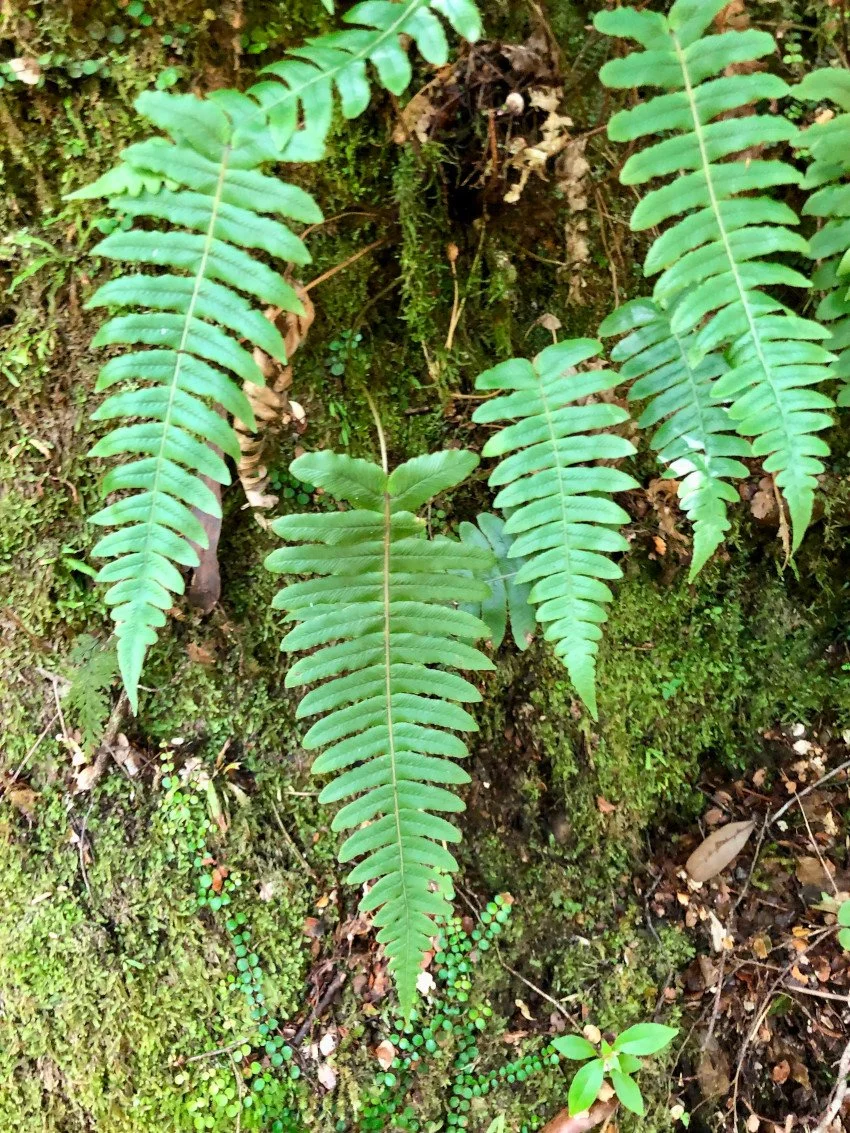
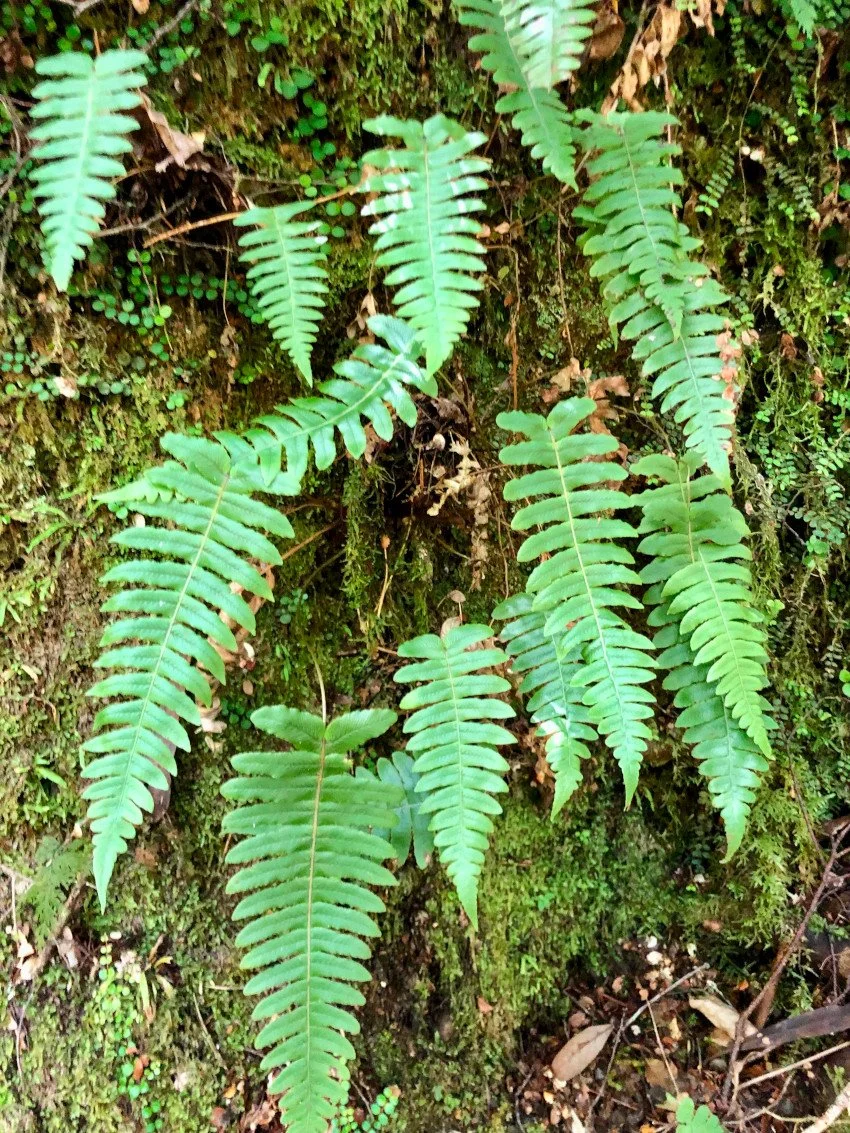
Mountain hard fern is a hardy indigenous fern found in New Zealand and south-eastern Australia. It is recognised by its narrow triangular sterile fronds, harsh texture and distinctive downward-curving basal pinnae. Often found on shaded banks, rocky outcrops and forested slopes, it is a tough but sometimes fussy fern that prefers cool, damp, well-drained conditions.
Natural habitat:
Coastal to montane forests, shaded banks, roadside cuttings, cliff faces, rock outcrops, boulders and streamside rocks.
Growing environment:
Prefers cool, shaded sites with damp, humus-rich, free-draining soil. Dislikes hot dry conditions and heavy competition from surrounding plants.
Endemic distribution:
Indigenous to New Zealand and south-eastern Australia. In New Zealand it occurs on the North Island, South Island, Stewart Island/Rakiura and the Chatham Islands, though it is uncommon north of Auckland.
Height:
10–68 cm
Width:
30–60 cm
Flowering:
N/A – ferns do not flower.
Fruiting:
N/A – reproduces by spores.
Uses:
• Shaded fern gardens
• Native forest underplanting
• Rock gardens
• Shaded banks
• Streamside planting
• Cool damp retaining walls
• Fern collections
Appearance:
Growth habit:
A small to medium-sized fern with a creeping to erect rhizome, sometimes forming a short trunk. It forms compact clumps or spreading patches depending on site conditions.
Leaves:
Fronds are dimorphic, with separate sterile and fertile fronds. Sterile fronds are narrow, triangular and often crinkled or harsh-textured, with 6–30 or more pairs of pinnae. The lower basal pinnae are characteristically broader, curved and deflexed downward.
Flowers:
No flowers are produced. This species reproduces by spores rather than flowers and seed.
Fruit:
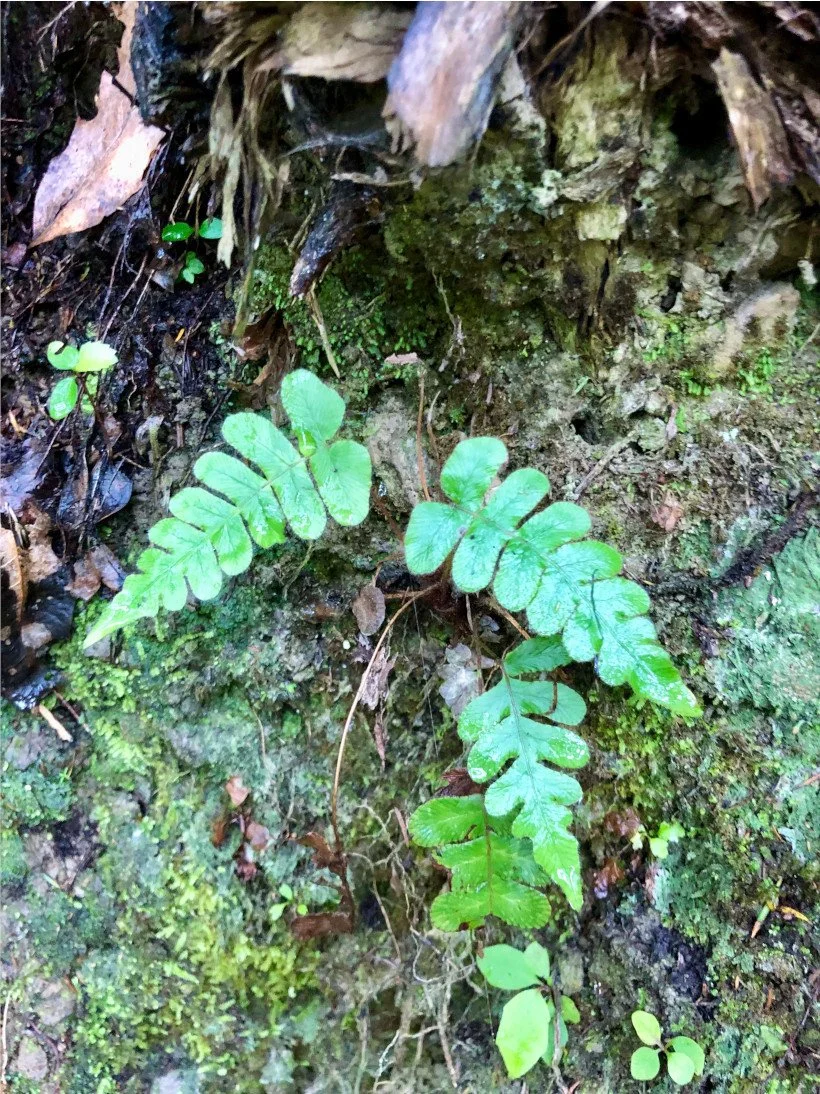
No fruit is produced. Spores are borne on the fertile fronds, which have much narrower pinnae than the sterile fronds.
Ecology:
Mountain hard fern occupies shaded rocky niches where it helps stabilise banks, rock faces and thin soils. Its dense fronds provide shelter for small invertebrates and contribute to the cool, damp microclimate of forest floors and shaded slopes.
Associated habitats:
Podocarp forest, beech forest, mānuka and kānuka forest, shaded roadside banks, rocky gullies, stream margins, forested cliffs and damp boulder fields.
How to grow:
Plant in shade or semi-shade in damp, rich, free-draining soil. It prefers cool climates and sheltered positions with reliable moisture. Avoid dry exposed sites and strong competition from vigorous groundcovers.
Propagation:
Can be propagated from spores or careful division of established clumps, though it can be fickle in cultivation. Young plants require steady moisture, shade and protection from drying out.
Cultural use:
Mountain hard fern forms part of New Zealand’s diverse native fern flora and contributes to the character of shaded forest banks, gullies and rocky habitats.
Garden value:
An attractive fern for cool shaded gardens, valued for its triangular fronds, compact form and ability to grow in rocky crevices and damp banks. Best suited to fern gardens, shaded rockeries and native forest-style plantings.