


Putaputawētā
Botanical name: Carpodetus serratus
Synonyms: Carpodetus dentatus, Carpodetus forsteri
Common name(s): Putaputawētā, Marbleleaf, Piripiriwhata, Kai-wētā, White mapau
About:
Putaputawētā is a small native tree well known for its mottled bark, marbled leaves and the cavities often found in its trunk. These holes are created by pūriri moth caterpillars and later occupied by wētā, giving rise to the Māori name “putaputawētā”, meaning “many holes of the wētā”. It is a common component of regenerating forest throughout New Zealand.
Natural habitat:
Forest margins, stream banks, riparian terraces, regenerating scrub, broadleaf forest and beech forest.
Growing environment:
Thrives in moist, fertile, well-drained soils with good organic content. Prefers semi-shade to filtered light but will tolerate full sun if soil moisture is adequate. Moderately frost hardy and tolerant of dry periods once established.
Endemic distribution:
Endemic to New Zealand. Found throughout the North, South and Stewart Islands from coastal areas to montane forest.
Height:
Up to 10 m
Width:
4–6 m
Flowering:
November – March
Fruiting:
January – February, with persistent capsules often remaining on the tree for much of the year.
Uses:
• Revegetation and restoration planting
• Riparian and streamside projects
• Wildlife and bird habitat
• Shelter and secondary forest establishment
• Ornamental specimen tree
• Traditional timber uses for tool handles and small wooden items
Appearance:
Growth habit:
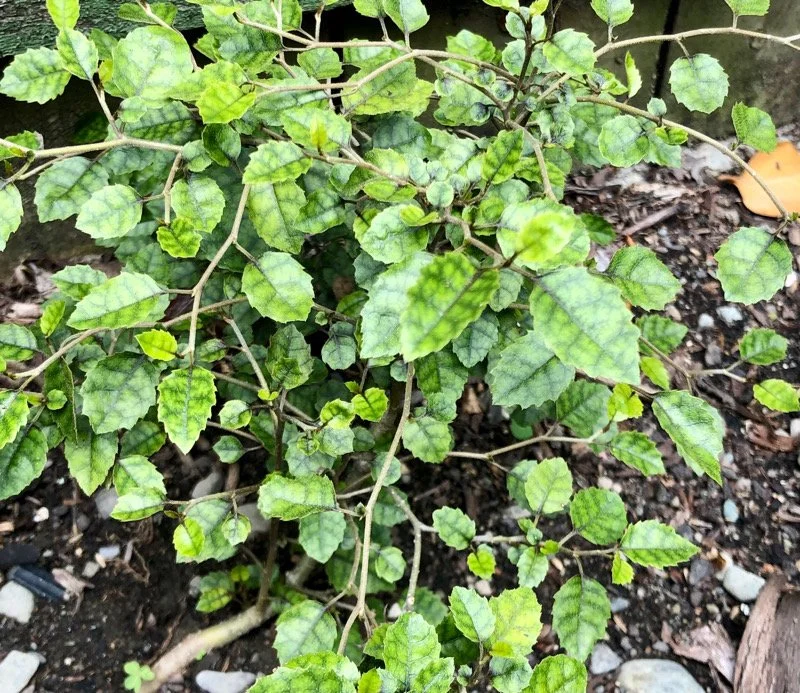
A small tree or large shrub with a slender trunk and rounded crown. Juvenile plants have a distinctive tangled, divaricating habit with zig-zagging branches.
Bark:
Grey-white, corky and mottled, often knobbly and pitted due to insect tunnelling.
Leaves:
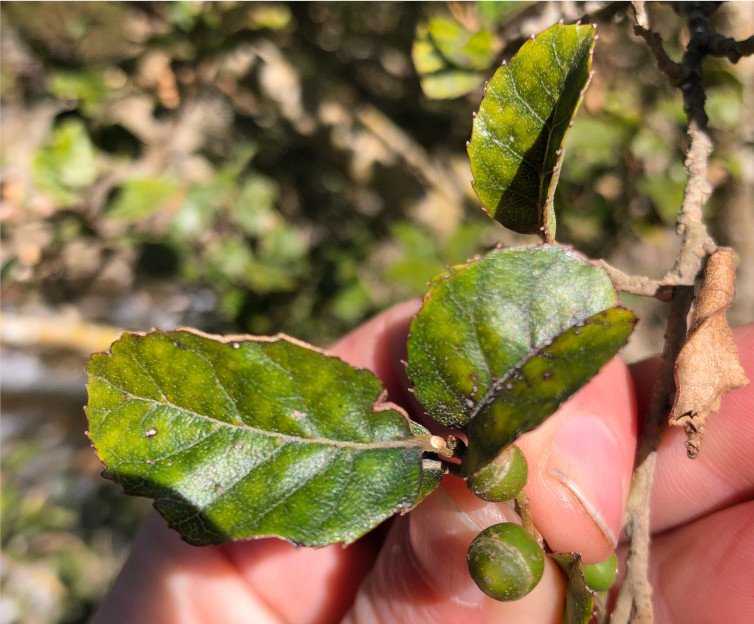
Dark green with a distinctive marbled appearance. Ovate to nearly round, slightly leathery with finely serrated margins. Juvenile leaves are much smaller than adult foliage.
Flowers:
Masses of small, fragrant white flowers arranged in broad terminal panicles. Individual flowers are 5–6 mm across and attract a wide range of insects.
Fruit:
Small black capsules containing numerous tiny seeds. Fruits are attractive to native birds and may persist on the tree for extended periods.
Ecology:
An important food source for native birds including silvereyes, bellbirds, kererū and kōkako. The fruits are bird-dispersed, while the flowers attract native bees and other pollinating insects. The trunks are commonly tunnelled by pūriri moth larvae, creating cavities that are later occupied by wētā and tunnelweb spiders.
Associated habitats:
Regenerating forest, broadleaf forest, beech forest, riparian margins, stream banks, shrublands and secondary succession communities. Frequently associated with wineberry (Aristotelia serrata).
How to grow:
Grow in moist, fertile soil with good drainage. Best planted in semi-shade when young, although established plants tolerate more sun. Suitable for riparian plantings, forest gardens and restoration projects. Responds well in sheltered conditions.
Propagation:
Usually grown from fresh seed. Seed germinates readily when sown fresh. Can also be established from nursery-raised seedlings.
Cultural use:
The Māori name refers to the numerous cavities inhabited by wētā. The wood was occasionally used for tool handles and small implements. The species is closely associated with native forest ecology and traditional knowledge.
Garden value:
A highly attractive native tree with beautiful mottled bark, glossy marbled foliage and masses of white flowers. Particularly valuable for wildlife gardens, streamside planting and native forest restoration. Its unusual trunk cavities and association with wētā make it one of New Zealand’s most distinctive small trees.