

Carex comans
Botanical name: Carex comans
Synonyms: Carex pulchella, Carex cheesemanii, Carex comans var. pulchella, Carex comans var. cheesemanii
Common name(s): Hair sedge, New Zealand hair sedge
About:
A distinctive evergreen sedge forming dense flowing tufts of fine foliage in shades of green, lime, bronze or reddish-brown. One of New Zealand’s most widely grown native grasses and sedges, prized for its texture and movement in the landscape.
Natural habitat:
Open coastal to subalpine environments, forest margins, scrubland and sparsely vegetated free-draining sites.
Growing environment:
Thrives in full sun to partial shade in free-draining soils. Tolerates wind, drought and a wide range of growing conditions but dislikes permanently wet ground.
Endemic distribution:
Endemic to New Zealand. Found throughout the North, South and Stewart Islands.
Height:
25–50 cm tall
Width:
40–60 cm wide
Flowering:
Throughout the year
Fruiting:
Throughout the year
Uses:
• Mass planting and groundcover
• Border and edging plant
• Coastal and dry garden planting
• Container planting
• Modern landscape design
• Erosion control on banks and slopes
Appearance:
Growth habit:
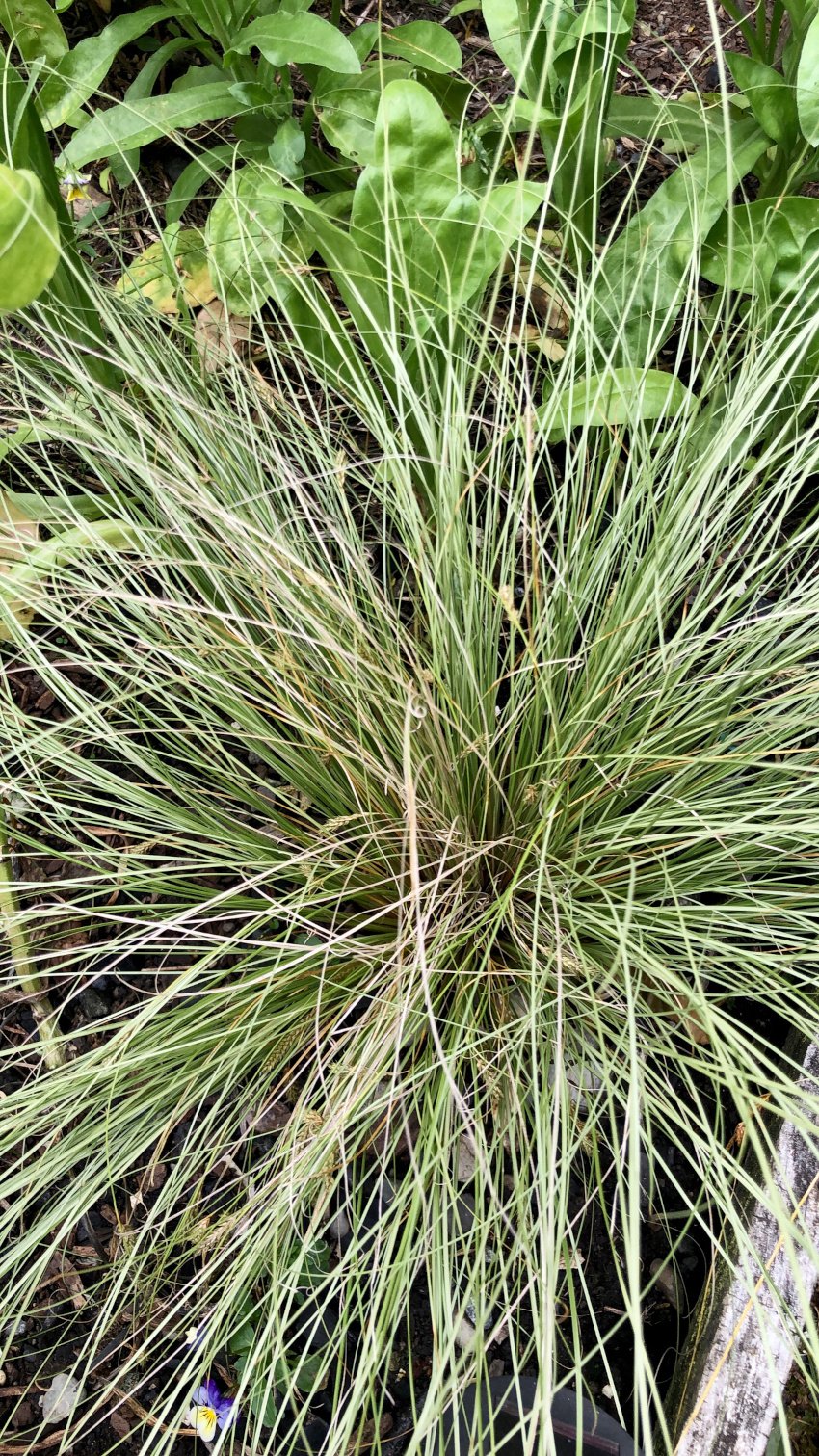
Dense tufted evergreen sedge with graceful arching foliage and fine hair-like leaves.
Leaves:
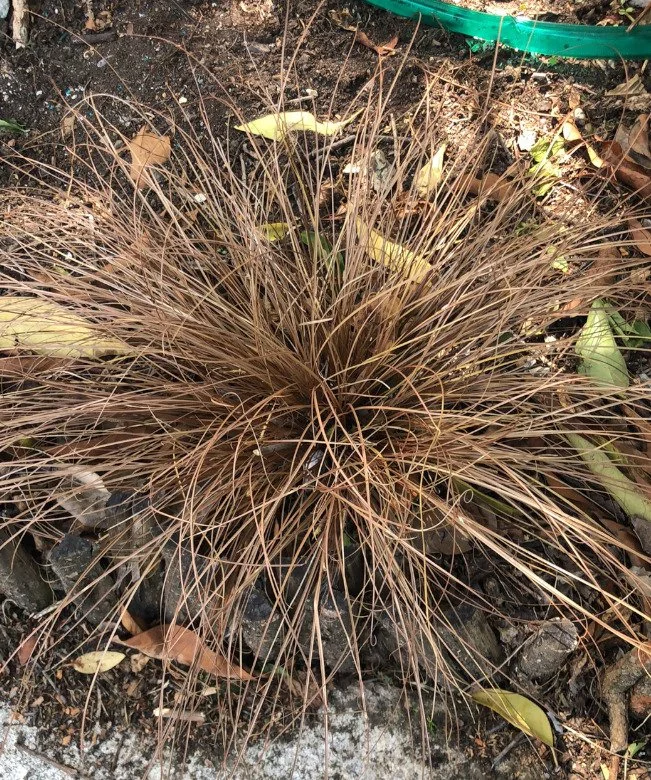
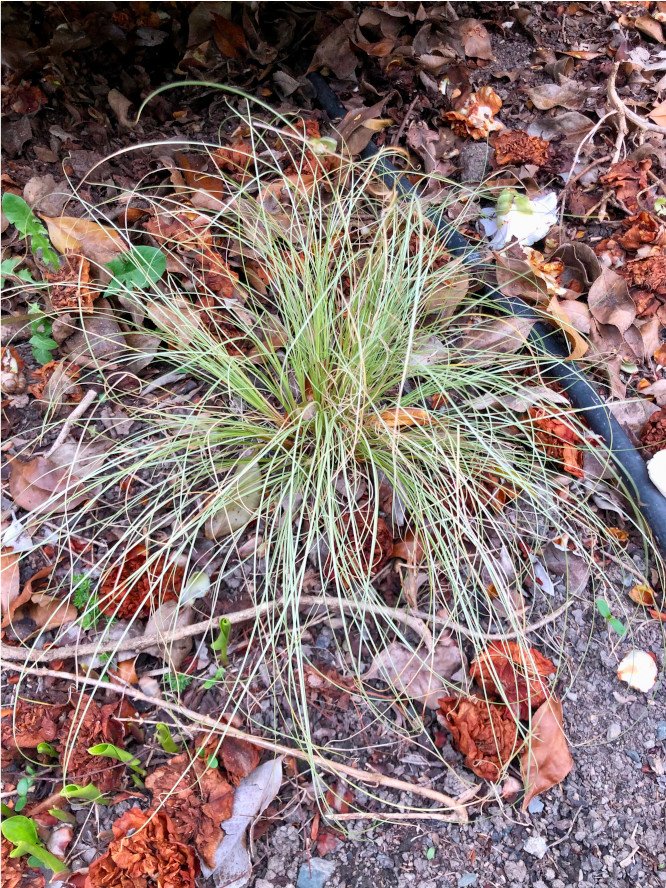
Very narrow drooping leaves in shades of green, lime-green, bronze or reddish-brown with roughened margins.
Flowers:
Small inconspicuous brown flower spikes held within or slightly above the foliage.
Fruit:
Small reddish-brown utricles containing dark brown nuts dispersed by wind and animals.
Ecology:
Naturally occurs in open free-draining habitats and readily naturalises in disturbed or urban environments.
Associated habitats:
Found among scrubland, open forest, coastal vegetation, rocky ground and dry grassland communities.
How to grow:
Best grown in full sun with excellent drainage. Tolerates dry periods once established and requires little maintenance.
Propagation:
Easily propagated from fresh seed or by division of mature clumps.
Cultural use:
Widely cultivated throughout New Zealand and internationally as an ornamental native sedge.
Garden value:
Highly valued for its soft flowing form, year-round foliage colour and versatility in contemporary, coastal and native garden designs.