Alpine Clubmoss
Botanical name: Austrolycopodium fastigiatum
Synonyms: Lycopodium fastigiatum
Common name(s): Alpine clubmoss, mountain clubmoss
About:
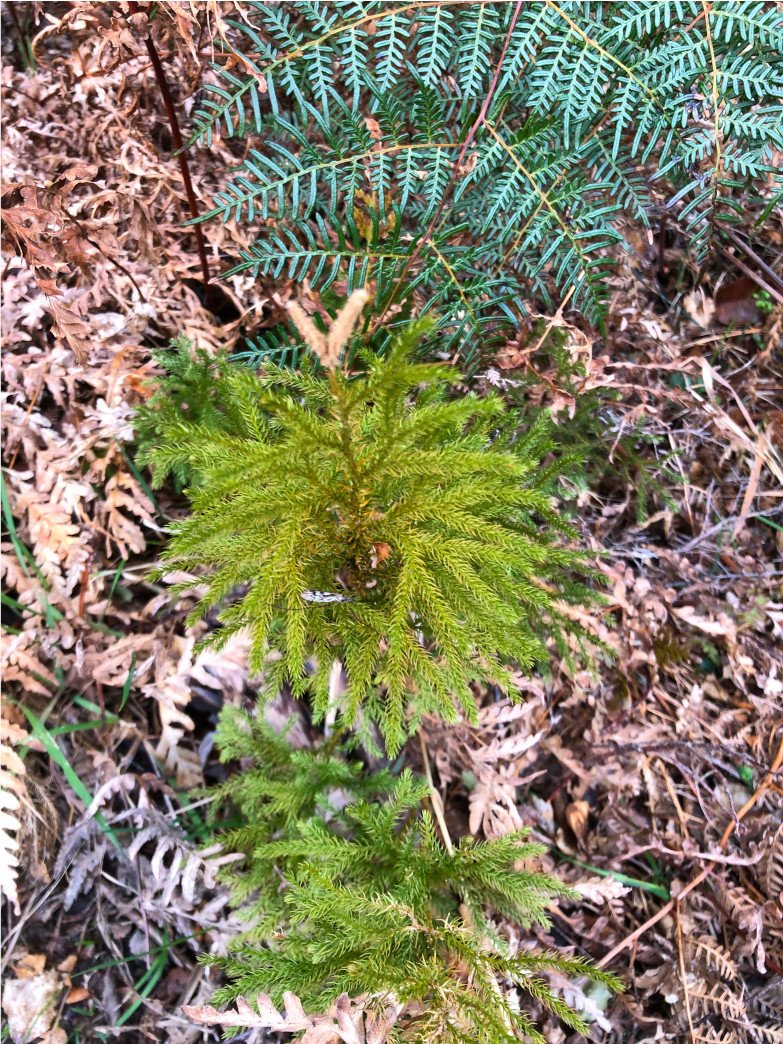
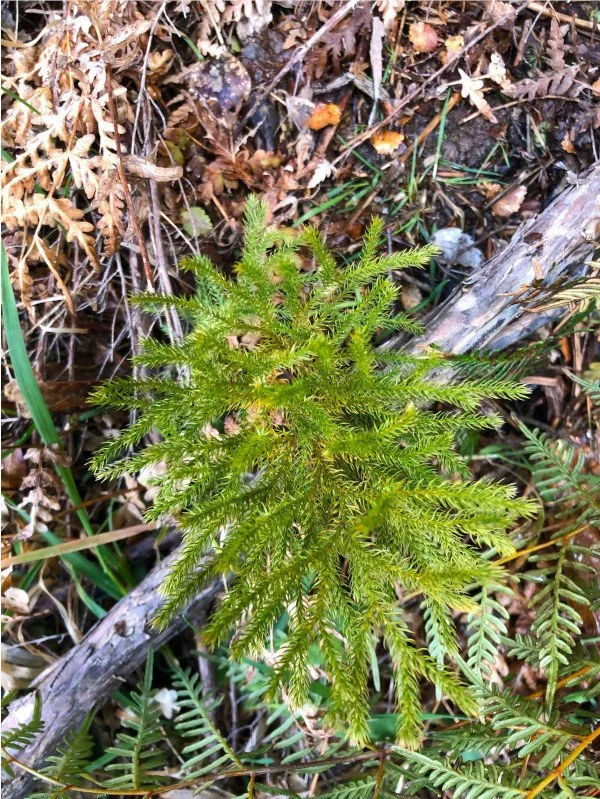
A distinctive alpine clubmoss with upright branching stems resembling a miniature conifer. Widely distributed through southern alpine and subantarctic environments where it forms low dense colonies in exposed cold habitats.
Natural habitat:
Occurs naturally in alpine herbfields, peat bogs, frost flats, geothermal scrub, subalpine grasslands, and montane shrublands.
Growing environment:
Full sun to partial shade, Cool climates, Damp acidic soils, Frost tolerant & Wind tolerant.
Prefers permanently cool conditions and high atmospheric moisture.
Endemic distribution:
Indigenous to New Zealand and Australia.
In New Zealand found from montane North Island areas south through the South Island, Stewart Island/Rakiura, Chatham Islands, Auckland Islands, Campbell Island/Motu Ihupuku, and Antipodes Islands.
Height:
Approximately 3–40 cm tall
Width:
Slowly spreading through creeping underground rhizomes
Flowering:
None
A spore-producing clubmoss rather than a flowering plant.
Fruiting:
Produces spores in terminal cone-like strobili.
Uses:
• Alpine rock gardens
• Peat bog plantings
• Native alpine collections
• Groundcover in cool climates
• Ecological restoration
Appearance:
Growth habit:
A rigid, densely branched clubmoss with upright stems arising from creeping underground rhizomes.
Leaves:
Tiny spirally arranged leaves tightly overlap the stems, giving the plant a textured conifer-like appearance. Foliage varies from green to yellow-green and often turns orange in exposed cold environments.
Strobili:
Erect spore-bearing cones are produced terminally above the foliage, usually grouped in clusters on slender stalks.
Ecology:
An important component of alpine and subalpine vegetation communities where it stabilises peat soils and contributes to specialised cold-climate ecosystems.
Associated habitats:
Commonly grows with alpine grasses, cushion plants, herbfields, peatland mosses, subalpine shrubs, and geothermal vegetation.
How to grow:
Best suited to cool alpine or subalpine conditions with permanently moist acidic soil and excellent drainage. Does poorly in hot or dry climates and should never be allowed to dry out completely.
Propagation:
Very difficult in cultivation. Can theoretically be grown from spores or division of rhizomes but establishes slowly. Wild plants should never be collected.
Cultural significance:
Represents part of New Zealand’s ancient primitive flora, belonging to one of the oldest surviving plant lineages on earth.
Garden value:
A fascinating miniature alpine species ideal for specialised native alpine gardens, cool bog gardens, and collectors interested in primitive New Zealand plants. Particularly attractive when foliage develops orange or bronze tones in exposed cold conditions.