

Little Hard Fern
Botanical name: Austroblechnum penna-marina subsp. alpina
Synonyms: Blechnum penna-marina subsp. alpina, Blechnum alpinum, Lomaria alpina
Common name(s): Little Hard Fern, Alpine Hard Fern, Alpine Water Fern
About:
A small creeping alpine fern with finely divided fronds and a dense turf-forming habit. This hardy species is widespread through southern temperate and subantarctic regions and is highly adapted to cool moist environments.
Natural habitat:
Occurs naturally in alpine herbfields, subalpine scrub, grasslands, mossfields, coastal turf, open forest, rocky outcrops, stream terraces, and damp montane environments.
Growing environment:
Full sun to partial shade, Cool climates, Moist soils & Frost tolerant.
Thrives in damp humus-rich soils with good moisture retention and cool root conditions.
Indigenous distribution:
Indigenous to New Zealand, Australia, South America, Macquarie Island, and various circum-Antarctic islands.
In New Zealand found from lowland to alpine regions throughout the North, South, Stewart, Chatham, Auckland, Campbell, and Antipodes Islands.
Height:
Approximately 0.04–0.12 m tall
Width:
Forms spreading turf-like colonies over time
Flowering:
Not applicable — spore producing fern
Fruiting:
Not applicable — reproduces via spores
Uses:
• Alpine and rock gardens
• Groundcover planting
• Moss and fern gardens
• Subalpine restoration
• Damp bank stabilisation
• Container planting
Appearance:
Growth habit:
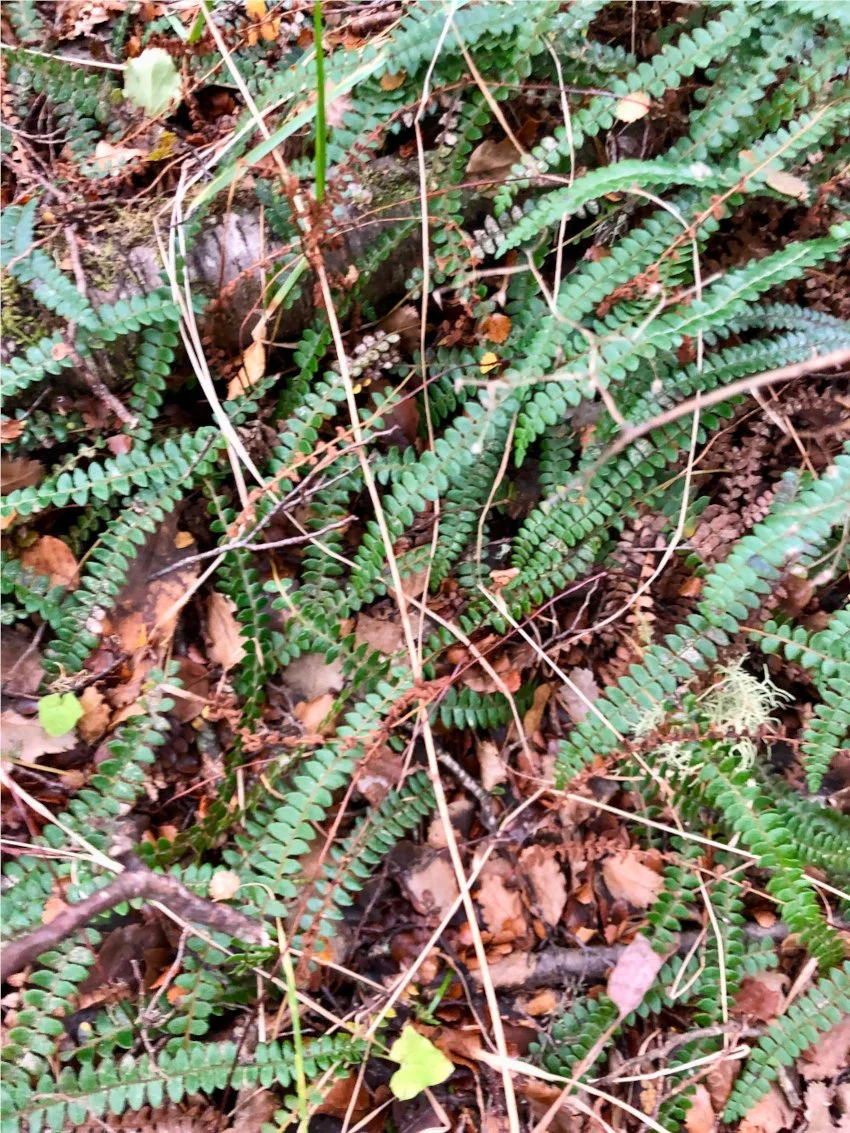
A creeping rhizomatous fern forming low dense mats or turf-like colonies.
Leaves:
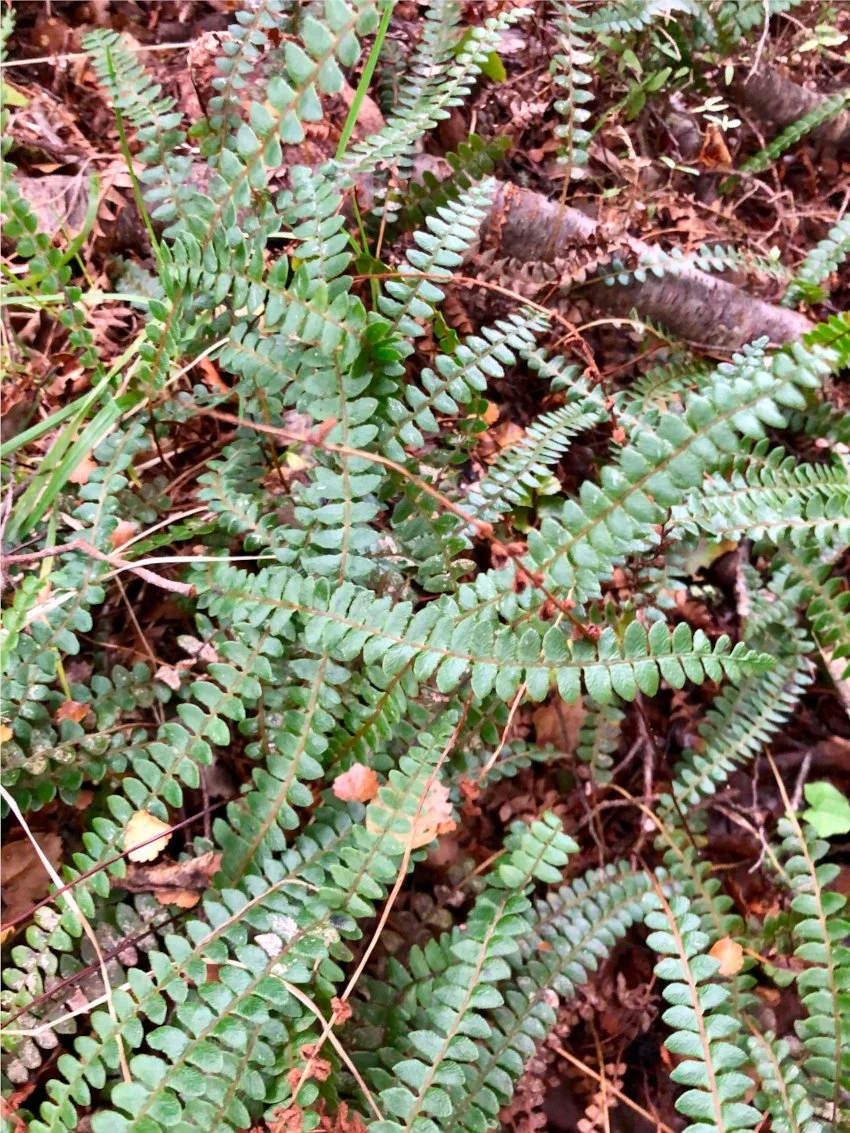
Sterile fronds are small, narrow, and pinnate with rounded to triangular pinnae arranged closely along the rachis.
Fertile fronds:
Fertile fronds are narrower, more erect, and carry slender linear pinnae bearing spores.
Colour:
Fronds are generally deep green with reddish-brown stipes and scales near the base.
Ecology:
An important component of alpine and subantarctic ecosystems where it forms dense low vegetation across moist open ground and rocky herbfields.
Associated wildlife:
Subject to browsing by endemic alpine grasshoppers including Brachaspis nivalis, Paprides nitidus, and Sigaus australis.
How to grow:
Best planted in moist free-draining soil in cool shaded or open alpine conditions. Performs well in rock gardens, alpine troughs, damp woodland settings, and mossy environments.
Propagation:
Easily propagated from fresh spores or by division of established rhizomes and creeping colonies.
Garden value:
A highly attractive small native fern valued for its fine texture, low spreading habit, and exceptional hardiness. Excellent for alpine gardens, shaded groundcover, moss gardens, and cool-climate native plantings.