

Colenso’s Hard Fern
Botanical name: Austroblechnum colensoi
Synonyms: Blechnum colensoi, Lomaria colensoi
Common name(s): Colenso’s Hard Fern, Peretao, Petako, Waterfall Fern
About:
A robust endemic New Zealand fern recognised for its leathery dark green sterile fronds and extremely slender fertile fronds. This species thrives in permanently moist shaded habitats and is strongly associated with seepages, waterfalls, and cool forest gullies.
Natural habitat:
Occurs naturally on shaded seepages, river gorges, wet forest banks, rock overhangs, cloud forests, and permanently damp forest margins from coastal to montane environments.
Growing environment:
Partial shade to full shade, Cool humid climates, Permanently moist soils & Frost tolerant.
Requires cool sheltered conditions with high humidity and reliable moisture year-round.
Endemic distribution:
Endemic to New Zealand.
Occurs throughout much of the North, South, and Stewart Islands, as well as the Chatham and Auckland Islands.
Height:
Approximately 0.3–1 m tall
Width:
Forms clumps approximately 0.5–1.2 m across
Flowering:
Not applicable — spore producing fern
Fruiting:
Not applicable — reproduces via spores
Uses:
• Shaded fern gardens
• Waterfall and streamside plantings
• Damp forest restoration
• Native understory gardens
• Humid courtyard plantings
• Cool-climate ferneries
Appearance:
Growth habit:
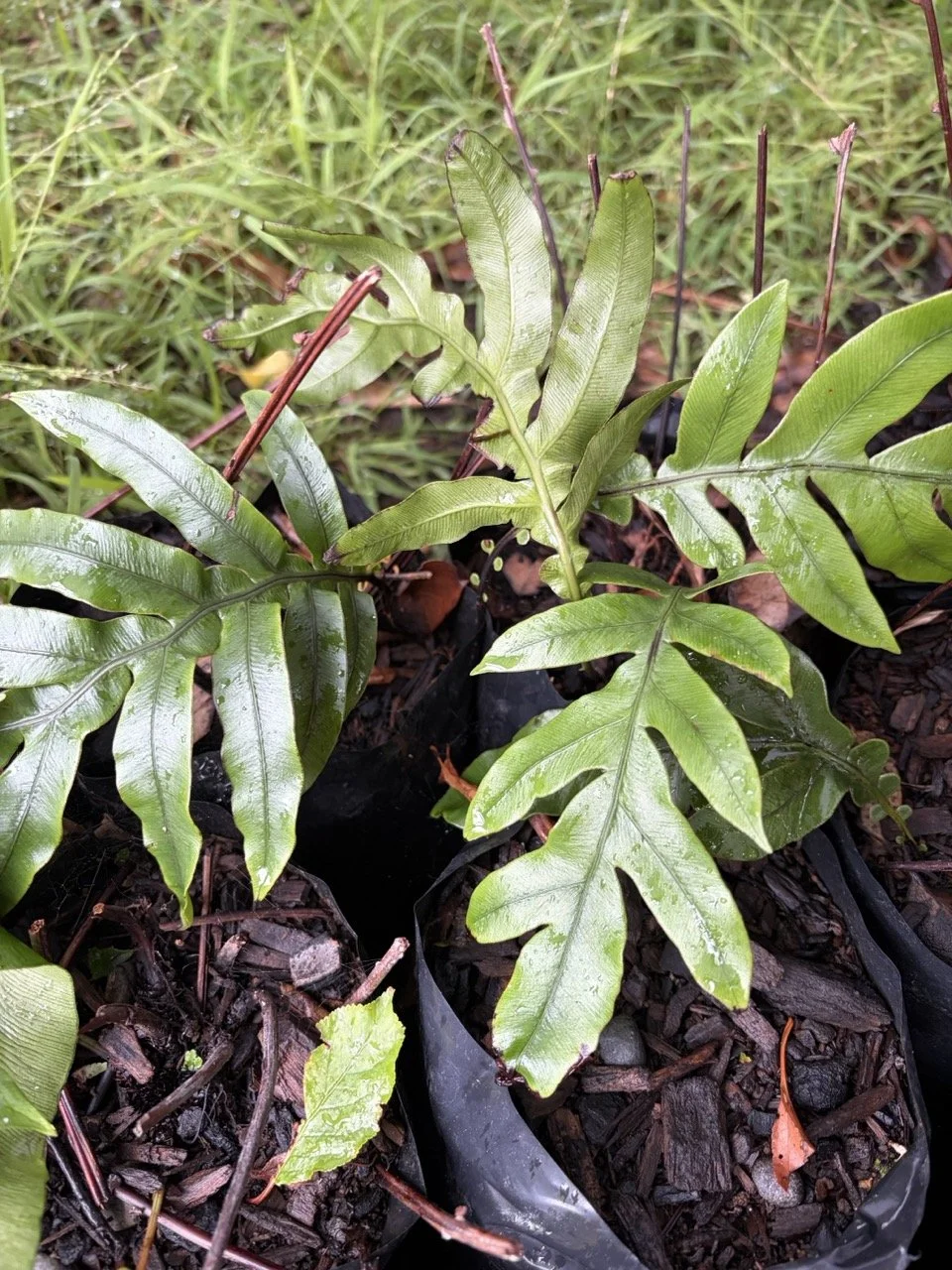
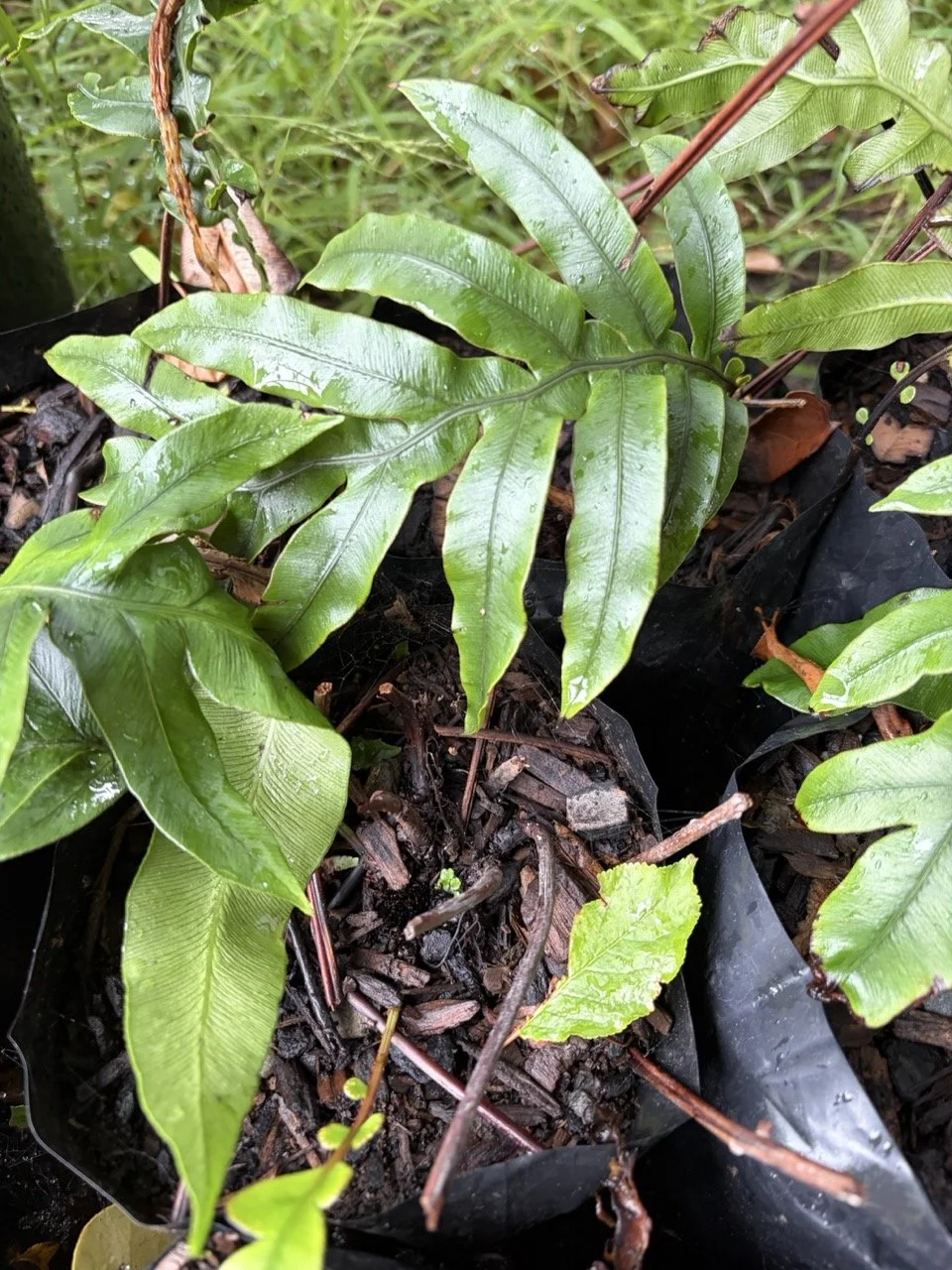
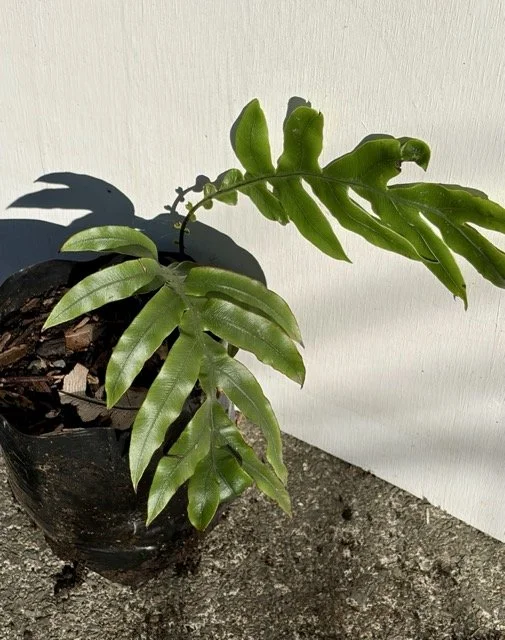
A stout tufted fern with short-creeping rhizomes producing broad sterile fronds and narrow fertile fronds.
Leaves:
Sterile fronds are leathery, dark green to glaucous green, broadly elliptic, and sparsely divided with smooth margins.
Fertile fronds:
Fertile fronds are much narrower and more delicate, creating a strong visual contrast with the broad sterile foliage.
Rhizome:
Short-creeping rhizomes clothed in dark red-black to black scales.
Ecology:
An important fern of wet forest ecosystems where it stabilises damp banks, retains moisture, and provides habitat within humid forest environments.
Associated habitats:
Frequently associated with seepages, waterfalls, shaded rock faces, cloud forest margins, river gorges, and permanently wet forest floors.
How to grow:
Best planted in cool shaded positions with rich organic soil that never dries out. Ideal for stream margins, damp gullies, shaded retaining walls, and humid fern gardens.
Propagation:
Can be propagated from spores or by careful division of established rhizomes, though growth is typically slow.
Garden value:
A highly architectural native fern valued for its bold leathery foliage and elegant fertile fronds. Particularly effective in cool shaded landscapes, rainforest-style plantings, and damp native ferneries.