

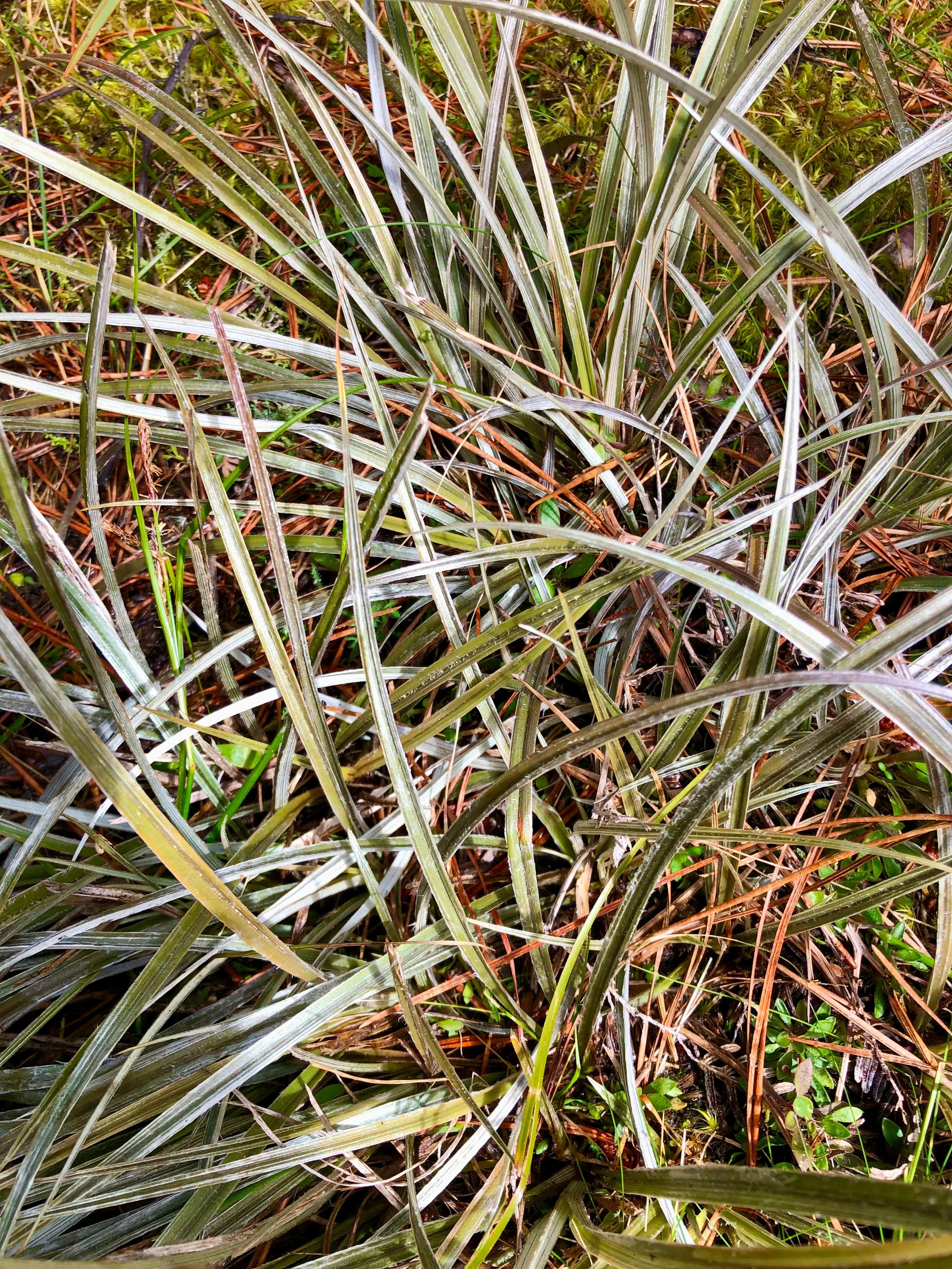
Grass-like Astelia
Botanical name: Astelia graminea
Common name(s): Grass-like Astelia
About:
A distinctive alpine and subalpine Astelia endemic to the northern South Island of New Zealand. This species forms elegant grass-like clumps with narrow bronze-green foliage and silvery undersides, giving it a refined architectural appearance in high-country landscapes.
Natural habitat:
Occurs naturally within alpine and subalpine grasslands, herbfields, open tussocklands, rocky slopes, and mountain ridgelines.
Growing environment:
Full sun to partial shade, Cool climates, Free-draining soils & Frost tolerant.
Thrives in moist but sharply drained soils with good airflow and cool root conditions.
Endemic distribution:
Endemic to New Zealand.
Restricted to Nelson and northern Marlborough from the Wairau Mountains to Gouland Downs.
Height:
Approximately 0.2–0.8 m tall
Width:
Forms open clumps approximately 0.3–0.6 m across
Flowering:
Summer
Produces small green to reddish flowers during January.
Fruiting:
Autumn
Bright orange berries mature from March to April.
Uses:
• Alpine and rock gardens
• High-country native plantings
• Textural contrast planting
• Contemporary landscapes
• Container growing
• Specialist native collections
Appearance:
Growth habit:
A slender tufted perennial with a diffuse grass-like appearance created by numerous lateral shoots.
Leaves:
Leaves are narrow, deeply keeled, and grass-like with bronze-green upper surfaces and pale silvery felted undersides.
Flowers:
Flowers are small and inconspicuous, varying from green to reddish-pink tones.
Fruit:
Produces elongated bright orange fleshy berries attractive to birds.
Ecology:
An important component of South Island alpine ecosystems where it contributes structure and seasonal food resources within subalpine grasslands and herbfields.
Associated habitats:
Often associated with alpine tussocklands, herbfields, and high-country species such as Chionochloa australis and Astelia nivicola.
How to grow:
Best planted in cool, open situations with moist but sharply drained soil. Performs well in raised alpine beds, rock gardens, or large containers with excellent drainage.
Propagation:
Can be propagated from fresh seed or by careful division of established clumps. Cold stratification may improve germination.
Garden value:
A refined and elegant native foliage plant prized for its soft grassy texture, bronze-green colouring, and silver highlights. Particularly effective in alpine gardens, modern native landscapes, and rocky high-country style plantings.