


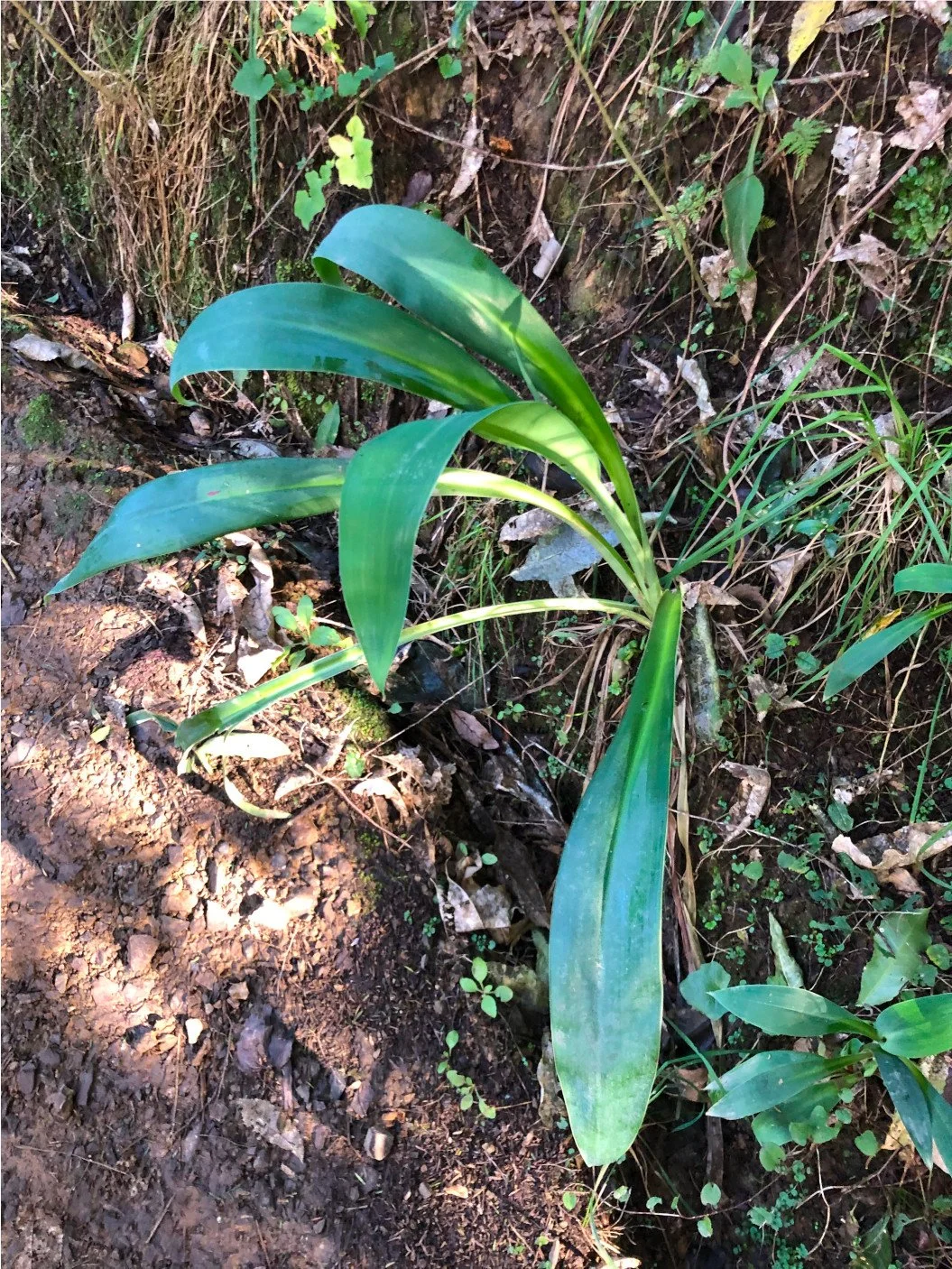
Renga Renga Lily
Botanical name: Arthropodium cirratum
Synonyms: Anthericum cirratum
Common name(s): Renga Renga, Reinga Lily, Rock Lily, New Zealand Rock Lily, Maikaika
Plant facts:
A striking coastal lily endemic to New Zealand, valued for its lush strap-like foliage and masses of delicate white flowers. Renga renga was an important traditional Māori food and medicinal plant and remains one of New Zealand’s most widely cultivated native ornamentals.
Natural habitat:
Occurs naturally on coastal cliffs, rocky outcrops, headlands, and coastal forest margins, usually close to the sea.
Growing environment:
Full sun to partial shade, Free draining soils, Coastal tolerant & Wind tolerant.
Thrives in rocky coastal conditions and adapts well to dry shaded gardens once established.
Endemic distribution:
Endemic to New Zealand.
Naturally found north of Greymouth and Kaikōura, primarily in coastal regions.
Height:
Foliage approximately 30–60 cm tall
Flower stems up to 1 m tall
Width:
Forms dense spreading clumps approximately 0.5–1 m across
Flowering:
Spring to summer
Produces masses of white flowers held on tall airy stems.
Fruiting:
Summer to autumn
Dry seed capsules release wind-dispersed seed.
Uses:
• Coastal landscaping
• Mass planting and borders
• Native cottage gardens
• Rock and dry gardens
• Traditional Māori food source
• Rongoā Māori medicinal plant
Cultural uses:
Renga renga held important cultural value to Māori. The fleshy rhizomes were traditionally cooked in hāngī and eaten as a vegetable food source. The plant was also used medicinally and is often associated with old Māori settlements and cultivation sites.
Appearance:
Growth habit:
A robust clump-forming perennial herb with arching strap-like leaves arising from thick fleshy rhizomes.
Leaves:
Broad glossy green leaves with a soft arching habit, creating lush dense foliage.
Flowers:
Elegant white six-petalled flowers borne in airy clusters along tall stems. Stamens are distinctive with purple, white, and yellow colouring and curled tips.
Fruit:
Small dry capsules containing numerous black wind-dispersed seeds.
Ecology:
An important coastal herb adapted to rocky drought-prone environments. Dense clumps help stabilise shallow coastal soils and provide shelter for small invertebrates.
Associated wildlife:
Flowers attract native pollinating insects while dense foliage provides habitat for small ground fauna.
How to grow:
Very easy and adaptable. Performs best in free draining soil with sun or light shade. Extremely hardy once established and tolerant of coastal exposure and dry periods.
Propagation:
Easy from fresh seed or by division of clumps and rhizomes.
Garden value:
One of New Zealand’s best native landscape plants. Highly valued for its architectural foliage, elegant flowers, and exceptional toughness. Excellent for coastal gardens, dry shade, borders, and large-scale native plantings.